Preserving Duluth’s Environmental Legacy: A Critical Debate on Research, Recreation, and Regional Prosperity
The future of Duluth’s Great Lakes Toxicology and Ecology Division lab sits at a crossroads—a decision with far-reaching consequences for not only environmental science but also the region’s recreational appeal and economic well-being. As plans circulate to reorganize and potentially close the facility, it’s important for community members, local businesses, and outdoor enthusiasts to understand the delicate role that this research plays in protecting our freshwater resources.
This debate is not merely about budgets and bureaucratic reshuffling. Instead, it dives into significant issues that affect everyday life—from the safety of our drinking water and the integrity of our fish consumption advisories to the long-term health of our treasured Lake Superior. The lab, positioned on the edge of this iconic lake, offers essential research that stabilizes our local ecosystems and secures a foundation for the region’s outdoor activities and tourism.
Great Lakes Environmental Research Impact on Local Recreation
Recreational opportunities in Duluth and the surrounding areas are directly linked to the work done at the lab. Freshwater research is essential for maintaining the pristine quality of Lake Superior, which millions rely on for boating, fishing, swimming, and other outdoor pursuits. A well-funded research program works to monitor pollutants, track emerging contaminants, and study harmful algae blooms—issues that have both immediate and long-lasting impacts on public health and local tourism.
Local residents and visitors alike cherish the natural beauty of the Great Lakes. Maintaining this beauty is a shared responsibility, where science and local recreation meet. Consider the following advantages that arise from a well-supported lab:
- Safe Fishing Practices: Ongoing research informs advisories about safe fish consumption, ensuring that recreational anglers can pursue their hobby without worrying about environmental toxins.
- Clean Drinking Water: The lab’s monitoring efforts help guarantee that not only is the water in our lakes pure, but that it also meets strict safety standards for communities that use these sources for drinking water.
- Protected Ecosystems: Continuous analysis of water quality and pollutant levels means that local wildlife and natural habitats are better safeguarded, ensuring that future generations can enjoy these outdoor spaces.
- Boost to Eco-Tourism: When visitors know that the region is proactive about environmental health, they are more likely to explore and enjoy the local area, contributing to a vibrant tourism industry.
For outdoor enthusiasts, the idea of a lab closure is deeply unsettling. The potential loss of jobs and expertise at the lab could hamper research efforts, leading to delays in identifying harmful contaminants. The ripple effect could jeopardize everything from public health to the regional economy, which depends on a thriving outdoor recreation market.
Challenges in Supporting Environmental Research in a Changing Political Climate
The reorganization plans initiated by federal leadership have introduced several tricky parts and tangled issues concerning long-standing environmental research. Critics argue that the restructuring, which includes reducing scientific positions and possibly shutting down crucial labs, might undermine efforts to track environmental changes affecting our lakes and waterways.
Many community members feel that these changes come at a time when robust science is essential for informed decision-making. When problems arise—such as unexpected chemical spills or rapid changes in water quality—the ability to respond quickly is hampered if the resources entrusted with this oversight are trimmed. The perceived off-putting reductions in funding and staff can add layers of confusion to an already nerve-racking system.
To illustrate these challenges, let’s consider the following breakdown:
| Issue | Potential Impact on Recreation and Community |
|---|---|
| Reduced Scientific Staff | Fewer experts available to study and address emerging water safety challenges. |
| Delayed Research Results | Slower identification of water quality issues could result in unsafe conditions for public water supplies and recreational areas. |
| Decreased Funding for Monitoring | Reduced ability to monitor pollutants interferes with the proactive management of freshwater ecosystems. |
| Economic Ramifications | Job losses and diminished local economic activity, impacting sectors built around outdoor recreation and tourism. |
These scenarios illustrate how intertwined scientific research is with everyday recreational activities and the broader economic health of the region. Without accurate, timely data on pollutant trends and other environmental hazards, even the most enthusiastic traveler may find it risky to dive in and enjoy nature’s beauty.
Community Voices and the Importance of a Strong Local Response
In recent months, local voices have rallied around the lab, voicing their support for its continuation. Union leaders, scientists, and everyday residents have all underscored that jeopardizing this facility could create a plethora of problems—a glut of twists and turns for an already full spectrum of local challenges.
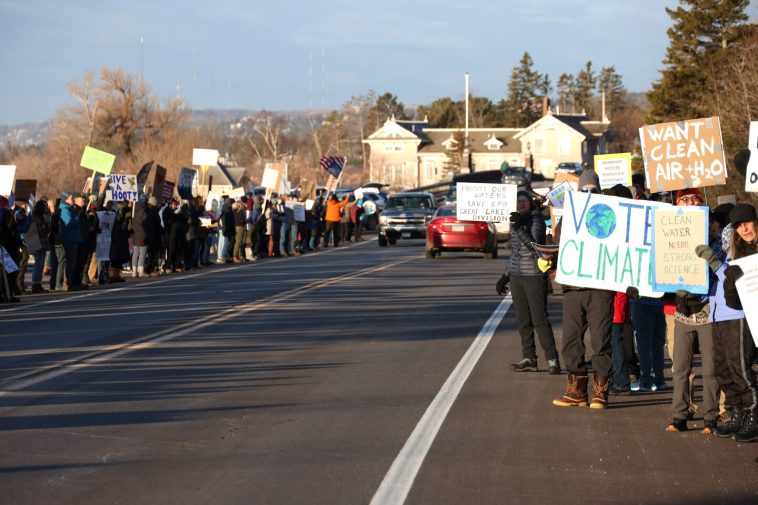
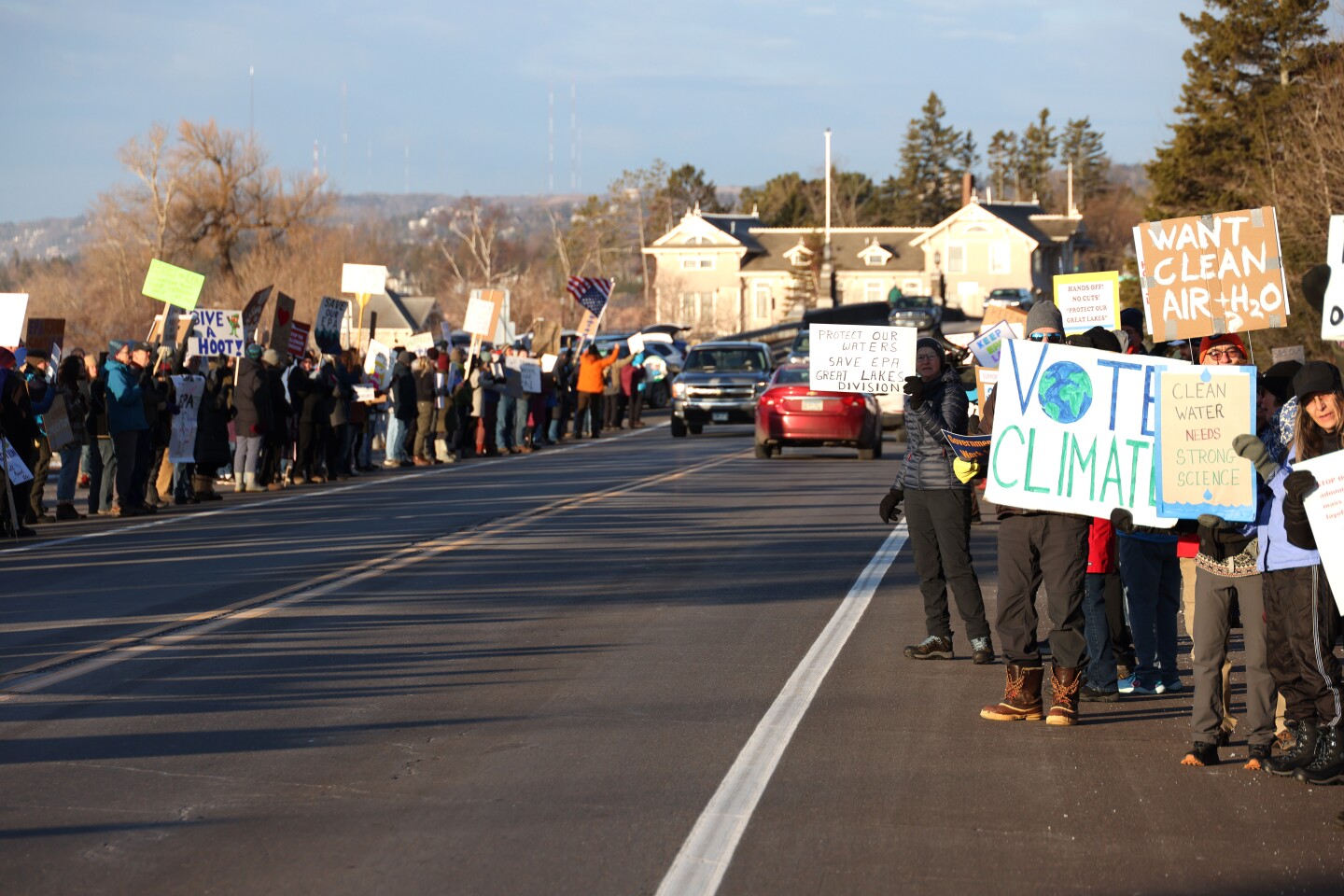
Nicole Cantello, president of the union representing lab workers, noted that the proposed changes have left many on edge. “Tell them you did not vote for dirty air and dirty water,” she urged, appealing to both policy-makers and community members. This sentiment resonates with those who depend on local research to ensure that Duluth retains its charm as a hotspot for outdoor activities and natural exploration.
Community rallies have formed an essential part of the local conversation. Here are some of the key messages communicated by supporters:
- Investment in the Future: Maintaining robust environmental research facilities is key to ensuring that our lagoons, streams, and lakes remain safe and vibrant for years to come.
- Protecting Local Jobs: The lab employs around 170 people, and its operations provide a ripple effect throughout the local economy, reinforcing the need to keep these positions intact.
- Continuing Essential Studies: Long-term studies on water safety and toxin monitoring are essential for establishing reliable safety standards for recreational divers, anglers, and swimmers alike.
- Supporting Eco-Friendly Practices: A commitment to environmental science directly correlates with eco-friendly tourism practices that attract visitors from across the nation.
Even local elected officials have shown support. Council members emphasized that their reliance on the lab’s findings is paramount; they rely on this cutting-edge research to make sound decisions that safeguard both human health and the natural environment. Such backing suggests that a clear connection exists between the lab’s ongoing operations and the recreational pleasures enjoyed by the entire community.
Impact on Recreational Travel and Tourism amid Environmental Uncertainty
The potential closure of the Great Lakes lab carries with it several nerve-racking concerns for the travel community, particularly when it comes to regional tourism. Duluth and its surroundings are renowned for their outdoor adventures, picturesque landscapes, and rich history of environmental stewardship. If the lab is shuttered and research capacity is diminished, the quality of environmental oversight may suffer, thereby impacting the very draw that brings travelers to the area.
Tourists and locals rely on up-to-date, accurate information regarding water conditions for planning fishing trips, boating excursions, and other water-related activities. The following points highlight the travel industry’s dependency on environmental research:
- Weathering Environmental Risks: Reliable data helps minimize unexpected health risks, ensuring that travel and outdoor activities are as safe as possible.
- Maintaining Natural Beauty: Clean water and healthy aquatic ecosystems are critical for sustaining the aesthetic appeal that draws visitors in droves.
- Economic Benefits: A strong eco-tourism industry supports local businesses, from restaurants and hotels to recreational outfitters and tour guides.
- Confidence in Public Resources: When communities see that science is actively informing public decisions, there is increased confidence in the safety of recreational facilities.
Travelers planning a trip in the Duluth area must often figure a path through a host of details—small distinctions in advisory reports can decide whether a lake is deemed safe for swimming or fishing. The expert work produced by the lab provides a firm grounding that makes planning trips less overwhelming and more enjoyable.
It’s essential for tourists to be aware that environmental stewardship is an ongoing process. The quality of our natural resources can alter subtly over time, often due to intricate interactions between human activities and nature’s resilience. Reliable data and consistent research work act as reassurance that every effort is being made to preserve these splendors for future visitors.
Reaffirming the Connection Between Science and Local Culture
Duluth has a storied history that marries rich cultural traditions with an enduring respect for its natural surroundings. The work at the EPA’s Great Lakes lab is interwoven with this cultural narrative. Research conducted here informs many local traditions, including the annual celebration of fishing seasons, public awareness campaigns about water quality, and educational initiatives in schools.
Science and recreation are not isolated interests—they are two sides of the same coin that together foster a well-rounded community vibe. The lab’s research plays a role in conservational efforts that keep local sports such as high school rowing regattas, sailing competitions, and fishing tournaments safe and enjoyable.
In reflecting on the contributions of the lab, one can appreciate the following aspects that tie environmental research to personal and cultural fulfillment:
- Educational Outreach: The lab’s research results make rounds in local schools and universities, engaging young minds in conservation efforts and sparking interest in careers related to environmental science.
- Cultural Heritage: Waterside communities have developed unique ways to celebrate their heritage through festivals and local lore that honor the bounty and beauty of the lakes.
- Community Empowerment: When local research substantiates community concerns about water quality, people are better equipped to advocate for needed changes and improvements.
- Intergenerational Connections: Many families have passed down a love for these natural settings through generations, and continued research reinforces the idea that these treasures deserve careful stewardship.
As residents and visitors alike consider the implications of a reduced scientific presence, they are reminded that protecting the natural environment is a collective responsibility. This responsibility rests on both local governance and federal policies, making it all the more important to voice support for continued robust research initiatives.
Working Through the Bureaucratic Maze: The Federal Reorganization Plan
At the heart of the current controversy are moves initiated by federal authorities, particularly under the Trump administration’s reorganization efforts within the EPA. The proposal to eliminate or curtail the EPA’s Office of Research and Development has sparked heated debate, with critics arguing that such changes place essential environmental research in jeopardy.
When examining the finer details of the proposed restructuring, several confusing bits emerge that can leave constituents frustrated. Among the top concerns are:
- Layoffs and Reduced Staffing: Taking away experienced scientists undermines the lab’s ability to conduct thorough and continuous monitoring of the local ecosystem.
- Unclear Timelines: With reorganization plans still murky, scientists and staff are left wondering which essential projects might be affected in the near term.
- Policy Uncertainty: The lack of transparent communication exacerbates fears that subsequent cuts may not only impact Duluth but the entire nation’s freshwater research and monitoring framework.
This bureaucratic maze leaves many residents feeling overwhelmed and searching for clarity on how such decisions were made. It’s a classic instance of how complicated pieces of policy can have a domino effect that stretches well beyond the confines of an office building, impacting every individual who calls the region home—and every visitor planning to explore its scenic wonders.
Taking a broader view, one can see that the potential closure of the lab is a microcosm of larger, nationwide changes in how environmental science is valued and supported. The ripple effects of diminished research capabilities could lead to a loss of critical data on water quality, an increase in public health risks, and ultimately a decrease in the profitability of local tourism and recreation-based businesses.
Long-Term Implications for Public Health and Safety in Outdoor Adventures
As communities and travel enthusiasts consider the long-term price of weakening environmental oversight, they are prompted to ask how important accurate and ongoing scientific research is to everyday safety. The results of the laboratory’s work directly affect decisions made by public health professionals, local government representatives, and even community leaders planning recreational events.
Let’s break down the key areas where sustained environmental research is essential:
- Water Quality Testing: Regular monitoring ensures that toxins and pollutants are kept in check, making recreational bodies of water safe for activities such as swimming, kayaking, and fishing.
- Food Safety: Research helps determine the safest levels and frequency for consuming fish from local lakes, protecting residents from ingesting harmful substances.
- Climate Change Adaptation: With ongoing global warming impacts, continuous study of water ecosystems allows for swift adaptation measures to emergent challenges.
- Early Warning Systems: Quick detection of harmful substances or environmental shifts, aided by up-to-date research, acts as an early alarm system for both policymakers and the public.
For many outdoor enthusiasts, planning trips already comes with a fair share of nerve-racking decisions—determining which location offers the safest conditions is paramount. The ability to depend on timely and accurate study results from institutions like the Duluth lab can transform an unpredictable outing into a well-informed adventure.
Imagine planning a kayaking trip on a serene afternoon by Lake Superior, only to find that unmonitored water quality has suddenly deteriorated. The safety of local waterways is non-negotiable for ensuring that every paddle stroke is taken with confidence and free from worry. In this light, continuous access to environmental data doesn’t merely serve academic interests; it acts as a super important public service for our entire community.
The Role of Local Advocacy in Shaping Future Policy Decisions
In the battle against potentially harmful policy shifts, local advocacy emerges as a driving force. Community members, environmental advocates, and local leaders have all stepped forward to make their voices heard. This collective push is about more than just saving 170 jobs; it’s about ensuring that the region’s natural resources, which support both our lifestyles and our local industries, are protected.
Advocates argue that local governments must take a more active role in steering through these challenging reforms—a process that involves not only public rallies and petitions but also direct engagement with legislators. By communicating their concerns and sharing real-world experiences, constituents can help ensure that environmental research retains its place as a super important priority in federal agendas.
Key strategies championed by local advocates include:
- Direct Communication with Legislators: Residents are encouraged to write letters and attend council meetings, making it clear that environmental research is not a luxury but a necessity.
- Public Awareness Campaigns: Raising community awareness about how essential research directly translates into safer drinking water, cleaner lakes, and more enjoyable outdoor experiences.
- Support for Local Institutions: Mobilizing to aid the lab through fundraising, partnerships with local businesses, and community-led research initiatives.
By working together, residents can influence policy decisions at the highest levels and ensure that the federal government considers the tangible, everyday benefits that a healthy research institution brings to the community. This is not just about protecting research—it’s about preserving a way of life that hinges on trust and transparency between public service and community well-being.
Balancing Immediate Concerns with Long-term Sustainable Progress
While the current controversy might seem loaded with problems and confusing bits, it also offers a chance for the community to actively contribute to a more sustainable future. The long-term benefits of maintaining the lab are clear: robust environmental monitoring translates into safer water, a more predictable recreational landscape, and sustained economic benefits from ongoing eco-tourism.
Adopting a balanced approach means considering both short-term challenges and the broader context. For instance, while the potential layoffs and reorganization are undeniably intimidating, some argue that strategic changes—if executed thoughtfully—could streamline operations and ensure that only the most super important initiatives continue. However, it’s crucial to weigh any improvements against the risk of losing essential expertise and decades-worth of local data.
An effective plan to manage these changes would ideally address the following points:
- Preserving Key Projects: Identify which research projects are indispensable for monitoring water safety and environmental health.
- Retaining Skilled Experts: Ensure that experienced scientists remain in place to mentor early-career researchers and continue vital long-term studies.
- Reallocating Resources Strategically: Where possible, invest in emerging technologies to complement traditional research methods, thereby speeding up data collection without sacrificing accuracy.
- Engaging the Community: Keep residents informed and involved, making it easier to rally support when tangible benefits of the lab are clearly demonstrated.
This kind of balanced approach can help steer through the tricky parts of the current reorganization while safeguarding the wealth of local expertise that supports both everyday health and the recreational quality of life.
Exploring the Tangled Issues between Economic Growth and Environmental Safety
The discourse surrounding the proposed EPA lab changes marries economic growth considerations with environmental safety imperatives—a marriage that is far from simple. On one hand, economic pressures call for leaner operations and budget cuts, while on the other, the community’s well-being and outdoor recreational legacy demand robust scientific oversight.
This scenario presents several complicated pieces to sort out:
- Economic Efficiency vs. Comprehensive Research: While budget cuts may appear to promise short-term savings, the long-run costs—such as a decline in eco-tourism and potential health risks—could far outweigh these benefits.
- Job Preservation vs. Operational Streamlining: The loss of skilled jobs could have a profound negative effect on local economies that are intimately tied to the research facility.
- Short-Term Adjustments vs. Long-Term Data Continuity: The ability to track environmental trends over decades is instrumental in safeguarding public health and remains a super important aspect of effective policy-making.
For residents and local business owners, these subtle parts of the debate highlight that no decision should be made lightly. Overlooking the hidden complexities in the balance between immediate financial needs and long-term societal health risks undermines the very foundation of sustainable development in areas such as Duluth.
By keeping an open and engaged dialogue across all levels—from local government and community groups to federal agencies—there is hope that workable solutions can be found that support both economic growth and environmental safety. In this challenging period, the community’s collective expertise and passion for outdoor recreation could serve as the guiding light that helps sort out the maze of interests at play.
Recommendations for Future Policy and Community Engagement
Based on the current state of affairs, it is essential that policy-makers take several proactive steps to ensure no vital link in this environmental chain is broken. The following recommendations are offered not as a critique, but as constructive suggestions aimed at bridging the gap between federal mandates and community needs:
- Engage with Local Stakeholders: Federal agencies should work closely with community leaders, scientists, and recreational organizations to better understand the real-world implications of staff reductions and budget cuts.
- Maintain Transparent Communication: Clear, regular updates about reorganization plans and their anticipated effects can alleviate the nerve-racking uncertainty that many currently face.
- Invest in New Technologies: In tandem with preserving key research roles, investing in modern monitoring technologies could enhance data collection and ensure a seamless transition, if any changes are to be made.
- Foster Collaborative Initiatives: Local universities, public health organizations, and private businesses should consider partnerships to supplement state-of-the-art research methods, ensuring that the lab’s significant contributions continue unabated.
- Create a Contingency Fund: A dedicated resource for mitigating any unforeseen negative effects from potential reductions could serve as a buffer to support ongoing projects until a more stable operational model is established.
These recommendations are aimed at creating a resilient framework that not only preserves the lab’s legacy, but also bolsters the region’s ability to respond to future challenges. In an era where environmental signals can be both subtle and overwhelming, having a robust safety net becomes more than an academic luxury—it becomes a community necessity.
The Future of Environmental Research as a Cornerstone of Outdoor Experience
Looking ahead, the potential changes surrounding the Great Lakes lab are likely to prompt serious reflection on the role that environmental research plays in enriching recreational experiences across Minnesota and beyond. For travelers, adventurers, and locals alike, a secure and healthy environment underpins every outdoor encounter.
With clear skies over Lake Superior and lush forests inviting hikers and nature lovers to explore, the connection between environmental stewardship and recreational pleasure is inescapable. This facility is not only a haven for dedicated scientists but also a protector of the natural landscapes that many hold dear. The fine points of its research—from tracking emerging contaminants like PFAS to studying long-term ecological trends—affect everything from local culture to the confidence of travelers planning weekend getaways.
For instance, outdoor enthusiasts planning their next kayaking adventure or fishing expedition across the pristine waters of the Duluth region can take comfort in knowing that there are experts working tirelessly behind the scenes, monitoring changes and warning against subtle shifts that might compromise safety. The transmission of reliable, up-to-date information directly correlates with enhanced visitor experiences and the sustained growth of the local tourism industry.
In these uncertain times, it’s essential for the public to remain informed and engaged. Whether you are a regular visitor to Lake Superior’s shores or a local resident proud of your community’s rich heritage, your voice is integral to shaping a future in which environmental research continues to play a key role in public health, recreational safety, and regional prosperity.
Concluding Thoughts: A Call for a Balanced and Sustainable Future
As we take a closer look at the current debacle and the proposals on the table, one thing is crystal clear: the decision that lies ahead is loaded with issues that resonate across multiple facets of life in Duluth and the larger Great Lakes region. This is not solely a debate about scientific reorganization or bureaucratic restructuring—it’s a conversation about how we value the health of our community and the natural resources that define our recreational and cultural identity.
From safeguarding safe fish consumption and clean drinking water to ensuring that every outdoor adventure is backed by sound science, this is a pivotal moment for local inhabitants and environmental advocates alike. The choices made today will echo for decades, impacting everything from community engagement in local governance to the success of outdoor tourism in one of America’s most picturesque regions.
In an era when the twists and turns of policy can either undermine or reinforce the public’s trust in essential science, it is up to us—residents, travelers, and policymakers—to ensure that the data and expertise generated by facilities like the Duluth lab continue to serve as the bedrock for both environmental safety and the cherished joys of outdoor recreation.
Let us then figure a path forward that intertwines economic efficiency with environmental responsibility—a future where decisions are driven by a commitment to long-term sustainability rather than short-term gains. Whether you are planning your next outdoor adventure or engaging in local advocacy, remember that protecting our natural environments goes hand in hand with protecting our community spirit and our shared way of life.
Now more than ever, it is essential to step up, to take the wheel in working through these tangled issues, and to actively champion a future that honors both our heritage and our hopes for a vibrant, thriving environment. The time to act is now, and every voice matters in ensuring that the legacy of the Duluth lab—and what it represents—remains a guiding light for generations to come.
In closing, the stakes are high. The potential benefits of safeguarding our environmental research infrastructure extend far beyond academic journals—touching on every aspect of life in the region, from local recreation and tourism to public health and cultural identity. It is a shared journey, one that calls for careful consideration, persistent advocacy, and collective responsibility. Let us all work together to ensure that our treasured outdoor spaces remain safe, inviting, and full of promise for the future.
Originally Post From https://www.startribune.com/duluth-epa-scientists-rally-support-to-stave-off-any-closure-of-great-lakes-lab/601370228
Read more about this topic at
A framework for critical research – Sage Research Methods
Save Critical Spinal Cord Injury Research Program at …