Reflections on the Updated Domestic Action Plan
The recent update to Michigan’s Domestic Action Plan (DAP) to combat harmful algal blooms in the Western Lake Erie Basin offers a fascinating look into the state’s proactive approach toward environmental stewardship. In this opinion editorial, we take a closer look at the new measures spearheaded by the Michigan Departments of Agriculture and Rural Development (MDARD), Environment, Great Lakes and Energy (EGLE), and Natural Resources (DNR). While the challenges may seem intimidating at first, this renewed commitment demonstrates a promising collaboration between state agencies, academic institutions, and local communities to address the tricky parts of phosphorus runoff and water quality management.
Understanding the Problem: Harmful Algal Blooms and Phosphorus Runoff
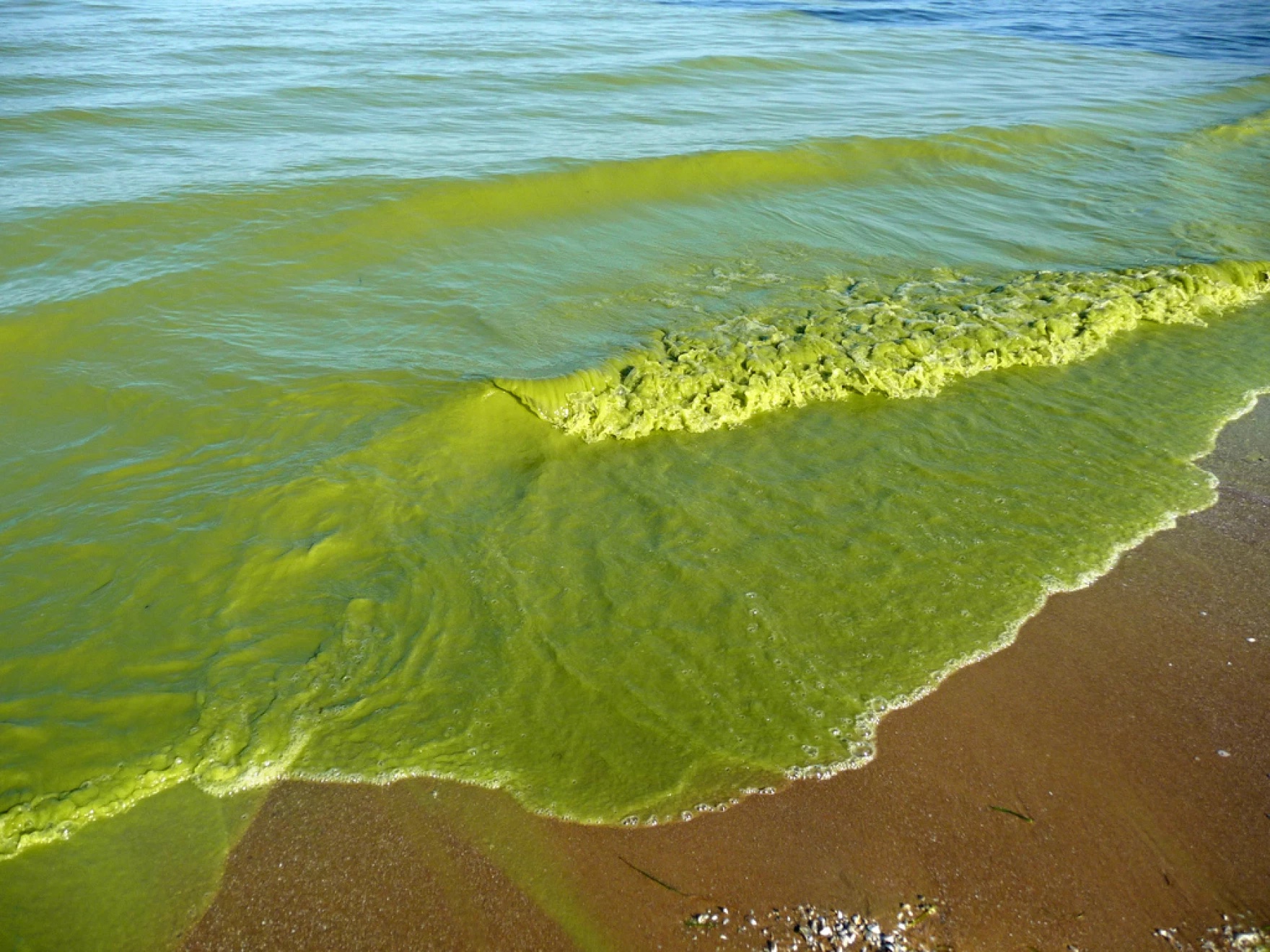
Harmful algal blooms in the Western Lake Erie Basin have long been a source of concern for community members, environmentalists, and policymakers alike. These blooms, largely fueled by excessive phosphorus runoff from agricultural lands, have a cascading effect on water quality, local ecosystems, and even public health. The phosphorus that leaves farmlands during heavy rain events or floods eventually finds its way into Lake Erie, triggering these blooms—an issue that has been a source of worry for decades.
Phosphorus Runoff and Its Consequences
Phosphorus is an essential nutrient for crop growth, making its use key to agricultural productivity. However, when this nutrient escapes the confines of a field and enters waterways, it sets off a series of challenging issues. The overabundance of phosphorus leads to the rapid proliferation of algae, which can choke aquatic ecosystems, reduce oxygen levels essential for marine life, and disrupt the delicate balance of the basin.
The Tricky Parts of Managing Nutrient Loads
Addressing phosphorus runoff is not just about limiting fertilizer applications; it involves understanding the many little details—the subtle parts—of soil health, water flow patterns, and weather variability. There are several tangled issues involved in designing policies that must account for the unpredictable nature of rain events or floods. One of the most complicated pieces of this puzzle is ensuring that agricultural practices are sustainable while also protecting our water bodies.
Innovative Agricultural Practices and Sustainable Partnerships
In tackling the nutrient dilemma, the updated DAP highlights a number of innovative approaches designed to reduce phosphorus loss from farmland. The strategy puts a particular emphasis on regenerative agriculture—a method that seeks to return nutrients to the soil. By adopting regenerative practices, farmers can help keep nutrients on their fields instead of letting them wash into nearby streams or lakes.
Embracing Regenerative Agriculture
Regenerative agriculture has received mounting attention as a critical tool in controlling the release of phosphorus. Unlike traditional methods, this approach uses cover crops, reduced tillage, and organic fertilization to boost soil health and structure. These practices make it less likely for nutrients to escape during rainstorms, thereby reducing the overall phosphorus load entering waterways.
Key Collaborative Efforts in the Field
The new plan also emphasizes the benefits of partnerships. MDARD’s collaboration with institutions like the Alliance for the Great Lakes, LimnoTech, and the Michigan State University Institute of Water Research (MSU-IWR) is especially noteworthy. Together, these groups are expanding the water quality monitoring network, which is essential for tracking progress and refining strategies over time.
Harnessing the Natural Filters: Wetland Restoration and Conservation
Wetlands serve as natural filters, intercepting nutrients and other contaminants before they can impact larger bodies of water. The updated action plan underscores the importance of protecting and restoring these ecosystems as a cornerstone of its nutrient management strategy. Wetlands not only absorb excessive nutrients but also provide critical habitats for wildlife, contributing to a healthier, more resilient ecosystem overall.
How Wetlands Help in Phosphorus Management
According to DNR Director Scott Bowen, functioning wetlands are nature’s own solution to limiting phosphorus runoff. When managed and restored properly, wetlands have the capacity to trap nutrients and gradually release them back into the soil in a controlled manner. This natural process helps regulate the levels of nutrients flowing into Lake Erie, reducing the risk of harmful algal blooms.
Opportunities in Wetland Enhancement
The state’s unwavering investment in wetland restoration projects, especially in high nutrient load areas, is a significant step forward. By focusing on restoring more than 300 acres of wetlands in critical subwatersheds within the basin, partners like the DNR, Ducks Unlimited, and other stakeholders are proving that nature-based solutions have a central role to play in our larger environmental strategy.
Digging Into the Details: Enhanced Water Quality Monitoring
A robust water quality monitoring system stands at the heart of the updated Domestic Action Plan. The innovative Nutrient Tracking Dashboard, developed in partnership with MSU-IWR and funded by MDARD, offers transparency into conservation practices and water quality outcomes. This critical tool allows both policymakers and the public to keep track of progress in real time and adjust strategies accordingly.
The Role of Technology in Environmental Management
The new dashboard is a prime example of how technology can aid in environmental oversight. By collecting and visualizing data on nutrient losses and conservation practices, the platform provides a clear picture of what is working and what isn’t. Users can see trends over time, pinpoint problem areas, and identify which interventions are having the most positive impact. This sort of online resource is indispensable for creating accountability and ensuring that the strategies employed evolve with emerging challenges.
Expanding the Water Quality Network
The expansion of the water quality monitoring network is another key aspect of the revised plan. MDARD’s partnership with top research institutions and technology firms ensures that data collection is both comprehensive and accurate. It also means that any fine shades or small distinctions in water quality across different parts of the Western Lake Erie Basin can be understood and addressed. In essence, monitoring doesn’t just capture the big picture—it picks up the subtle parts that might hint at underlying issues before they become overwhelming.
Funding and Strategic Investments for a Cleaner Future
One of the celebrated aspects of the updated action plan is its emphasis on funding next-generation projects aimed at nutrient management and conservation. The plan doesn’t merely outline the problems; it provides concrete strategies and funding mechanisms to address them.
Investments in Performance-Based Conservation
MDARD’s support for the WLEB Performance-based Conservation Adoption Program represents an innovative approach to funding. This program is designed to allocate resources based on measurable reductions in nutrient loss achieved through specific conservation practices. In 2017, a pilot project in the River Raisin Watershed demonstrated that this approach was seven times more cost-effective than traditional methods. Such promising results hint at the potential for performance-based funding models to become standard practice for addressing similar environmental challenges across the nation.
Developing Transparent Nutrient Tracking Systems
The Nutrient Tracking Dashboard, which is backed by significant state investment, is another example of using financial resources to drive transparency and progress. This dashboard not only tracks data but also serves as a reminder that accountability in environmental projects is super important. With clear visualizations and constant updates, stakeholders can observe improvements and identify areas where extra effort is needed. This transparency is essential in building public trust and ensuring that funds are utilized effectively.
Bridging Policy and Practice Through Community Engagement
One of the most promising aspects of the updated DAP is its focus on linking policy and practice through community engagement. Rather than operating solely through top-down mandates, the state’s approach involves active partnerships with local stakeholders, including farmers, scientists, watershed councils, conservation districts, and community members. This comprehensive dialogue is designed to ensure that all the fine points of nutrient management are addressed in a way that acknowledges local realities and offers practical solutions.
Spotlight on the WLEB Community Advisory Group
The formation of a Western Lake Erie Basin Community Advisory Group and accompanying Science Panel is a clear indicator that the state values a hands-on approach to problem solving. By regularly consulting with local voices and experts, the state hopes to identify policy gaps and create pragmatic solutions that benefit everyone. This balanced approach—merging scientific research, regulatory oversight, and real-world experience—paves the way for strategies that are both effective and adaptive in the face of changing conditions.
Workshops, Public Meetings, and Local Input
At events such as the State of the Western Lake Erie Basin Conference, held at the Adrian Tobias Center in Adrian, a wide range of participants—from conservation districts to local legislators and concerned citizens—gather to share insights and experiences. These gatherings are more than mere discussions; they are opportunities to learn about the subtle details of nutrient management and the tangled issues surrounding agricultural practices. By incorporating local input, the DAP can continuously refine its strategies and ensure that the measures resonate with those on the front lines.
Examining the Social and Economic Impacts
No discussion about the updated Domestic Action Plan would be complete without acknowledging its broader social and economic implications. Farming communities, water-dependent industries, and local governments all have a stake in ensuring that the Western Lake Erie Basin remains healthy. The plan’s emphasis on regenerative agriculture, improved water quality monitoring, and wetland restoration not only protects the environment but can also boost local economies by safeguarding industries that rely on clean water.
Economic Benefits of a Cleaner Basin
A healthy lake is critical for tourism, recreational activities, and commercial ventures. When harmful algal blooms are kept in check, residents enjoy better water quality for swimming, boating, and fishing. Local businesses that depend on these activities benefit as well. In turn, improved water quality can lead to a surge in investment in waterfront infrastructure and community projects, creating new jobs and boosting overall regional growth.
Balancing Environmental Needs with Economic Realities
One of the more nerve-racking challenges is finding a balance between industry productivity and environmental protection. While it might initially seem off-putting to consider stricter regulations on agricultural practices, it is crucial to remember that these measures are designed to protect long-term interests. The agricultural community is not being asked to sacrifice productivity but to integrate smarter practices that ensure both sustainability and profitability. Overall, the adoption of performance-based funding and transparency tools helps make a compelling case for the benefits of these measures to both the economy and the environment.
Countering Criticisms and Addressing the Confusing Bits
As with any major policy update, the DAP has its share of critics. Some contend that the strategies outlined are overly ambitious or that the fine points of regulatory changes may lead to unintended outcomes. However, it’s important to note that the DAP is a living document, designed to be refined as progress is tracked and as conditions change in the basin.
Clarifying the Misunderstandings
Critics often point to the tough parts of balancing agricultural interests with environmental needs as evidence that the plan might be too complicated. But when one digs into the specifics of the new strategies—like the performance-based conservation program and advanced nutrient tracking tools—it becomes clear that these measures are intended to create a win-win situation. They are built on a foundation of practical research and real-world testing.
Constructive Feedback and Adaptive Strategies
State agencies have repeatedly stated that the DAP will be revised every five years. This adaptive strategy means that any small distinctions or slight differences that may hinder progress can be addressed promptly. The inclusion of community feedback, scientific research, and local best practices ensures that the plan remains flexible and responsive. Instead of being locked into one rigid approach, the plan is capable of evolving as new data emerges and as stakeholders negotiate the twists and turns of nutrient management.
Tables and Data: A Closer Look at the Initiatives
To better understand the multifaceted approach taken in the revised DAP, let’s take a look at a simplified table summarizing the key initiatives and partnerships:
| Initiative | Description | Leading Agencies/Partners |
|---|---|---|
| Enhanced Water Quality Monitoring | Expanding the network to track phosphorus and other nutrient levels throughout the basin. | MDARD, MSU-IWR, Alliance for the Great Lakes |
| Regenerative Agriculture | Promoting soil health through cover crops, reduced tillage, and organic amendments. | MDARD, Local Farming Communities, MSU Center for Regenerative Agriculture |
| Wetland Restoration | Investing in natural filters to trap nutrients before reaching Lake Erie. | DNR, Ducks Unlimited, Local Conservation Districts |
| Nutrient Tracking Dashboard | Online platform for monitoring water quality outcomes and conservation practices. | MDARD, MSU-IWR |
| Performance-Based Funding | Funding conservation programs based on measurable reductions in nutrient loss. | MDARD, MSU-IWR, Industry Partners |
This table helps illuminate a central truth: the updated DAP isn’t about one single solution but a multifaceted strategy that combines science, community input, and forward-thinking investments.
Assessing the Impact on Local Communities and Ecosystems
It is one thing to set ambitious environmental goals on paper and quite another to translate them into everyday benefits for local communities. The updated DAP is laden with actionable targets designed to have a direct impact on the health of local ecosystems, agriculture productivity, and the overall quality of life for residents in the Western Lake Erie Basin.
Direct Benefits to Farming Communities
For farmers, adopting regenerative practices and participating in performance-based conservation programs offers a dual benefit: protecting the local environment while potentially reducing input costs over time. Although the transition might appear intimidating at first, the support provided by state agencies and research institutions helps ease the shift. In particular, improvements in soil health not only decrease the likelihood of phosphorus runoff but also contribute to better crop yields and long-term sustainability.
Community Health and Recreational Advantages
Clean, nutrient-balanced water is critical for community health, especially for those who rely on Lake Erie for recreational purposes. Healthier water means safer fishing, swimming, and boating, translating into enhanced community well-being. Moreover, public events and conferences that discuss these initiatives serve as educational platforms, ensuring that residents are well-informed about the small distinctions in regional water quality and know how to take steps to maintain it.
Future Directions: Expanding and Refining the Plan
Looking ahead, the Domestic Action Plan is set to evolve in response to ongoing research findings and community observations. As water quality monitoring continues to collect data, policy makers will have a clearer picture of which measures are yielding results and which need reworking. This iterative process of adjustment and improvement is essential, given the nerve-racking challenges posed by both climatic variability and the unpredictable behavior of nutrient runoff.
Adaptive Policy Making and Continuous Improvement
One of the reassuring aspects of the updated DAP is its built-in flexibility. The state has committed to a five-year revision cycle, meaning that policies are not set in stone. This approach allows for continuous improvement, helping state agencies and local stakeholders figure a path through any unexpected turns. By embracing an adaptive policy framework, Michigan sets a strong example for other regions facing similar environmental challenges.
Call for Broader Collaboration and Increased Public Engagement
The final component of this ambitious plan involves reaching out to a broader network of collaborators. The partnership with academic institutions, local governments, and even private organizations highlights the importance of working together to tackle wide-ranging issues. As the plan matures, increased transparency through tools like the Nutrient Tracking Dashboard will allow communities to play an active role in monitoring progress. Public engagement events, such as the State of the Western Lake Erie Basin Conference, ensure that local voices are heard and considered in shaping future policies.
Interlinked Challenges and Opportunities: A Systems Perspective
The spectrum of issues addressed by the updated DAP—ranging from agricultural practices to water quality monitoring and wetland conservation—demonstrates that environmental management is a multifaceted challenge. There are many tangled issues, and the state’s approach is to treat these as interconnected parts of a larger system rather than isolated problems. This systems perspective allows for more holistic strategies that not only address immediate concerns but also pave the way for future innovations.
Viewing the Basin as an Integrated Ecosystem
One of the key takeaways from the plan is the recognition that Lake Erie does not exist in a vacuum. Its health is intricately linked to the lands and communities surrounding it. Protecting the lake, therefore, means paying close attention to agricultural practices, managing land use wisely, and investing in natural filtration systems like wetlands. Every improvement in one area can have a cascading, positive effect on the entire ecosystem. The plan thus acknowledges and leverages the small distinctions and fine points that collectively contribute to a healthier, more resilient environment.
Opportunities for Innovation in Rural Development
Beyond environmental benefits, the initiatives in the updated DAP open up significant opportunities for rural development. By integrating modern data collection tools, community-based advisory panels, and performance-based funding models, the plan introduces a new way of thinking about environmental management in rural areas. This innovative approach not only protects natural resources but also stimulates economic activity by encouraging investments in technology, infrastructure, and sustainable practices. In doing so, it reinforces the idea that environmental responsibility and economic growth can go hand in hand, even amid the confusing bits and nerve-racking challenges of modern agriculture.
Looking Ahead: Lessons Learned and the Road to Sustainable Change
As Michigan’s updated Domestic Action Plan rolls out, its success will ultimately be measured by improvements in water quality, ecosystem health, and community well-being. While the road ahead is filled with tricky parts and occasional surprises, there is a strong sense of optimism among state officials and environmental experts alike. The plan represents not so much a final destination as a continuing journey toward creating a cleaner and more sustainable Western Lake Erie Basin.
Embracing a Culture of Continuous Learning
One of the enduring strengths of this plan is its commitment to learning and evolving. Rather than viewing the updated DAP as the ultimate solution, policymakers understand that environmental management is an ongoing process—a series of adaptations in response to new research, technological advancements, and community feedback. This willingness to adjust course as needed is a testament to the agencies’ commitment to achieving long-term improvements rather than relying on one-off measures. In other words, they are working through the process with an open mind, ready to adjust to the subtle differences that new data may reveal.
Finding Your Way Through Future Challenges
The future of environmental management in the Western Lake Erie Basin is not without its nerve-racking moments, but it is also filled with promise. As climate change and evolving agricultural practices continue to shape the landscape, communities and policymakers will need to work together to figure a path through the many small twists and turns of nutrient management. With state agencies leading the charge, supported by robust data collection systems and strong community engagement, the prospects for making significant progress are encouraging.
Final Thoughts: A Collective Endeavor for a Healthier Environment
In conclusion, the updated Domestic Action Plan to combat harmful algal blooms in the Western Lake Erie Basin is more than a set of regulatory guidelines—it is a roadmap for lasting environmental change. By focusing on regenerative agriculture, enhanced water quality monitoring, wetland restoration, and community partnerships, Michigan is taking a proactive stance in addressing the tangled issues associated with phosphorus runoff and water pollution.
While the challenges may be intimidating at times, the collaborative spirit of MDARD, EGLE, and DNR combined with the power of modern technology and data is creating innovative solutions to preserve the health of our lake and its surrounding communities. As stakeholders continue to work together—listening to one another and adapting strategies based on real-time data—the vision of cleaner, healthier waters in the Western Lake Erie Basin looks increasingly achievable.
For those keeping a close eye on environmental policies or involved in agricultural practices, this updated action plan offers both hope and a call to action. By embracing constructive criticism, continuously refining strategies, and investing in long-term solutions, Michigan is setting a commendable example of how government, academia, and community groups can unite to safeguard natural resources. Ultimately, this integrated approach may serve as a model for other regions facing similar environmental puzzles, proving that even the most complicated pieces of the nutrient management puzzle can eventually be solved through collaborative effort and innovative thinking.
Key Takeaways from the Updated Plan
- Proactive Collaboration: The state’s commitment to partnering with academic institutions, conservation groups, and local stakeholders is driving meaningful change in the basin.
- Regenerative Agriculture: Embracing sustainable farming methods minimizes phosphorus runoff while boosting soil health and crop productivity.
- Advanced Monitoring: Technologies like the Nutrient Tracking Dashboard are instrumental in providing transparent, actionable data to guide future initiatives.
- Natural Solutions: Investing in wetland restoration leverages nature’s own filtering capabilities to reduce nutrient loads before they reach Lake Erie.
- Adaptive Policy Making: Regular revisions to the DAP ensure that the plan remains responsive to emerging challenges and community needs.
Moving Forward Together
It is clear that as the Western Lake Erie Basin continues to face nutrient-related challenges, every stakeholder—from individual farmers to state agencies—must play their part in creating sustainable change. Although the journey is loaded with issues and the occasional nerve-racking twist, the collaborative and innovative spirit behind the updated Domestic Action Plan shines through.
By embracing modern monitoring tools, investing in natural infrastructure, and fostering community partnerships, Michigan is not just addressing the immediate threats posed by harmful algal blooms—it is also laying the groundwork for a healthier, more resilient future. Even though the path may be full of confusing bits and challenging turns, the concerted effort of all involved promises that Lake Erie and its surrounding ecosystems will be better protected for generations to come.
Ultimately, the updated DAP is a reminder that while environmental management is never straightforward, the rewards of a cleaner, more vibrant ecosystem are well worth the effort. As we continue to observe and participate in this evolving process, it is important to remember that every small step—every new strategy, every enhanced regulation, and every successful partnership—brings us closer to the goal of a sustainable, thriving Western Lake Erie Basin.
This editorial serves as both a reflection on current efforts and a call to further action. With ongoing dialogue, continuous learning, and a robust commitment to preserving our natural heritage, Michigan’s approach to combating harmful algal blooms offers valuable insights and hope. It is a call for all of us to be informed, dedicated, and proactive in our shared responsibility to care for the environment.
In the intricate dance of policy, science, and community engagement, there are no silver bullets—only the persistent, collective effort to figure a path through the tangled issues of environmental management. Moving forward, let us celebrate the advancements we have made, learn from the small distinctions that remind us of nature’s complexity, and continue to work together towards a cleaner, healthier future for the Western Lake Erie Basin and beyond.
Originally Post From https://www.michigan.gov/mdard/about/media/pressreleases/2025/05/20/mdard-egle-and-dnr-update-plan-to-combat-harmful-algal-blooms-in-the-western-lake-erie-basin
Read more about this topic at
Simple ways to reduce phosphorus pollution
Understanding phosphorus: global challenges and solutions