Northern Michigan’s Indigenous Fire Practices History
The forests of Northern Michigan have witnessed many years of change and transformation. Over time, indigenous communities have shaped the landscape through careful, controlled burns—a practice that many now refer to as “good fire.” This story takes us to the heart of Odawa lands, where tribal elders, scientists, and conservationists have come together with a shared goal: to reintroduce an ancient, culturally rooted method of land management that revitalizes both nature and community spirit.
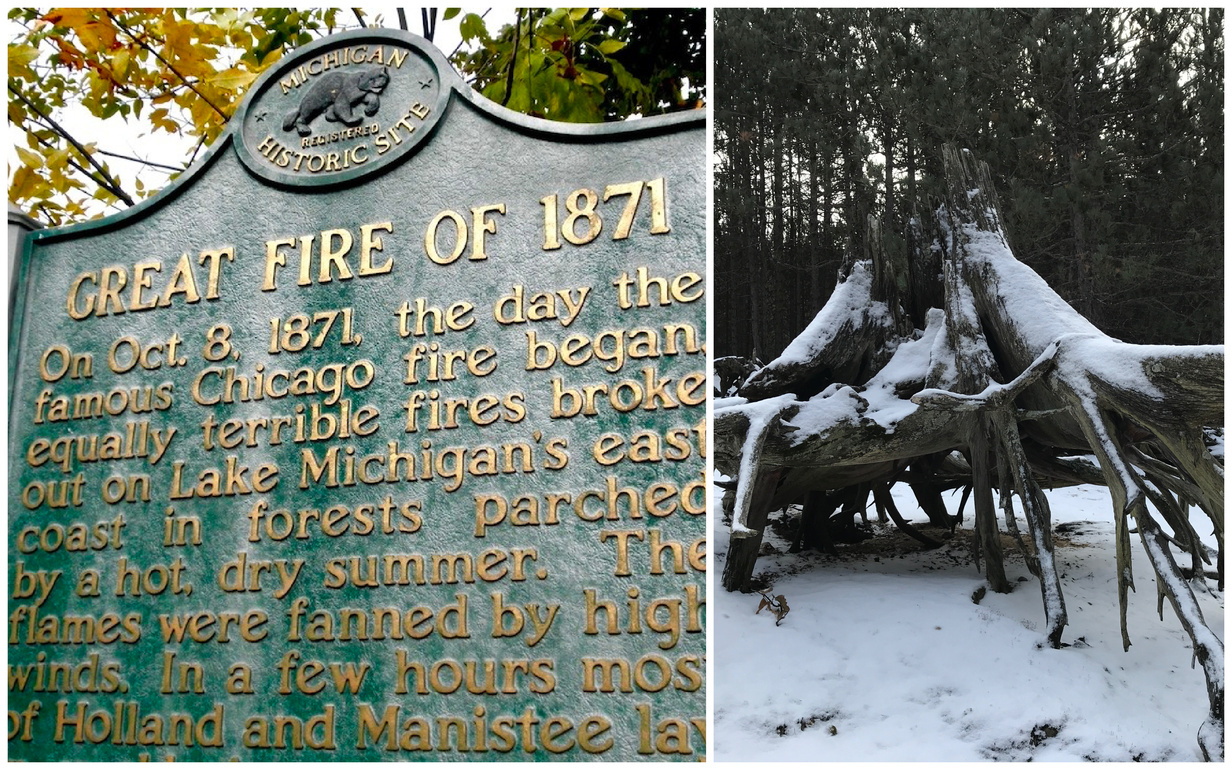
In recent years, researchers have been busy using tree ring records and remnants of red pine stumps as a means of uncovering how fire was once an essential tool for indigenous peoples. By slicing a thin piece of a red pine stump, affectionately dubbed a “cookie,” experts can trace back numerous controlled burn events—each representing a different chapter in the area’s rich history. With each slice, the forest tells a story, much like the scars on a person’s skin that remind them of past healing.
This renewed interest in “good fire” is not only about understanding history; it is also about forging a path to a more resilient future. With climate change intensifying the fire season, experts argue that integrating traditional methods of controlled burning can help reduce the risk of catastrophic wildfires while supporting the natural regeneration of these precious woodlands.
Restoring Cultural Fire: Indigenous Techniques for Landscape Resilience
One of the most powerful aspects of reintroducing traditional fire practices is the blend of cultural heritage with modern science. Tribal communities, including the Little Traverse Bay Bands of Odawa Indians, have maintained an intimate connection with fire—known in Anishinaabemowin as “ishkode” or “shkode.” The term carries the meaning of “new heart,” suggesting that fire brings new life and revitalization to the landscape.
For many indigenous elders, the practice of burning is far more than a simple technique for managing vegetation. It is a way to tell the story of their people—a narrative that speaks to resilience, renewal, and healing. When tribal historic preservation officers, such as Mae Wright, recall the memories passed down from elders, she reflects on an era where fire was used not only to clear the understory but also to manage forage for grazers and ensure clear paths for mobility. In her eyes, reintroducing these practices is an act of mending the bond between people and the land.
The project known as “Setting the Straits on Fire” uses tree cutting and recorded growth rings as tangible evidence of past burn events. Each dark indentation in those rings is a marker of a controlled burn that took place every several years, with some scars dating back as far as the mid-1600s. These marks are reminders that even during times of turmoil—whether it was economic struggle, political shifts, or the smallpox epidemics that swept through communities—indigenous peoples maintained their relationship with nature by relying on fire.
Practical Benefits of Cultural Burning
Integrating cultural burns into modern forest management plans comes with several practical benefits:
- Enhanced Forage Production: After a burn, the forest floor sees a boost in flowering and fruit production. In particular, the blueberry plains—a nickname for certain woodlands in what is now Wilderness State Park—experience an increase in blueberry yield during the peak years following a controlled burn.
- Reduced Fuel Loads: Regular, low-intensity burns help reduce the buildup of flammable material, effectively serving as a preventive measure against large, uncontrolled wildfires.
- Ecosystem Renewal: Fire stimulates new growth, ensuring that forests remain diverse and resilient. This renewal aids in maintaining essential wildlife habitats.
- Cultural Revitalization: The practice reinforces the cultural connections that indigenous peoples have maintained with the land, and it serves as an opportunity for younger generations to reconnect with ancestral wisdom.
In essence, cultural burning works as both a tool for ecological management and a bridge to the past. It allows present-day conservationists to learn from time-tested practices while also addressing the modern challenges posed by climate change and urban encroachment.
Tree Ring Records and Their Role in Uncovering Historic Fires
Diving into the nitty-gritty of dendrochronology—the scientific study of tree rings—provides an insight into the vast history of fire in Northern Michigan. By analyzing the growth rings of centuries-old red pines, researchers such as Kurt Kipfmueller have pieced together a record of fire events that shape our understanding of Indigenous land management practices.
Each tree ring tells a story of recovery and preservation. The dark scars within the rings indicate a healing process much like a human developing a scar after sustaining an injury. Just as a person might show evidence of past burns on their skin, these trees bear the marks of past cultural burns. The resin secreted by red pines helps treat these fire scars, preserving them for hundreds of years. This natural phenomenon not only prolongs the life of the stumps but also offers an authentic record of each burn event.
A table below illustrates a simplified timeline derived from tree ring records, showcasing notable burn events and their historical correlations:
| Approximate Date | Fire Event Marker | Historically Noted Event |
|---|---|---|
| Mid-1600s | Mark 1 | Initial fire management by indigenous peoples |
| Late 1600s | Mark 2 | Arrival of early European traders, coinciding with local burn practices |
| 18th Century | Mark 3 | Shifts in settlement patterns and continued use of prescribed fire |
| 19th Century | Mark 4 | Decline of indigenous burning practices following state bans |
This timeline is indicative of the layered history that dendrochronology unveils. Every slice of wood, every counted ring, is a fine point of evidence that speaks to the resilience of both the forest and its caretakers. From the controlled fires of centuries past, scientists now glean lessons that can underpin modern environmental strategies.
Good Fire and Climate Adaptation in Michigan Forests
With changing climates and the increasing threat of hot, dry summers, forest management in Michigan is facing many new challenges. Modern research shows that including controlled burns—often referred to as “good fire”—in state and federal land management programs is a key element in building ecological resilience. Climate adaptation strategies that make use of controlled burns can mitigate the risk of runaway wildfires while protecting cultural assets.
Josh Cohen, a senior conservation scientist with the Michigan Natural Features Inventory, explains that recorded burns are a clear indication of the fire’s role as a natural disturbance. The careful use of fire in the past prevented fuel build-up and created more resilient environments that could withstand the inevitable pressures of climate change. Without these controlled burns, forests can quickly become overloaded with dry debris, setting the stage for larger, uncontrollable wildfires.
Below is a bulleted list summarizing how strategic use of cultural burning helps adapt to changing climatic conditions:
- Prevention of High-Intensity Wildfires: Regular burns remove excess vegetation that could contribute to more fierce fires during droughts.
- Promotion of Biodiversity: Fire opens up the canopy, allowing a broader range of plants to flourish, which in turn supports greater wildlife diversity.
- Sustainable Land Use: Controlled burns assist in managing the forest in ways that align with both ecological sustainability and cultural traditions.
- Resilience to Extended Fire Seasons: In a warming climate, a well-maintained ecosystem is better able to handle the longer periods of elevated risk.
This strategy of integrating controlled burns is not about reviving a dangerous practice but about reclaiming a method that has been proven over centuries to sustain and enrich forest ecosystems. The key is finding a balance—a way to harness the natural benefits of fire without risking the unpredictable outcomes of uncontrolled wildfires.
Integrating Traditional Knowledge in Modern Forest Management
One cannot discuss the revitalization of cultural burning practices without underscoring the amazing role of traditional ecological knowledge. Indigenous communities have long honed the use of fire as a skilled tool—an art that is as much about connecting with the land as it is about practical forest management. By actively integrating these traditional methods into modern strategies, state and federal agencies can learn to steer through the tricky parts and tangled issues that arise in forest management.
Mary Parr, a fire ecologist with the Michigan Natural Features Inventory, often emphasizes that the strength of traditional burning practices lies in the continuity of cultural memory. For generations, communities have used fire to clear underbrush and renew vegetation. This “new heart” of the forest, as she puts it, is an acknowledgment that even amid economic or political turmoil, the connection between people and nature can remain vibrant.
A crucial step in integrating traditional knowledge involves collaboration. Projects like “Setting the Straits on Fire” represent a successful blend of community insight and modern science in reworking forest management plans. By creating open channels for discussion between tribal elders, dendrochronologists, and conservationists, these initiatives work to overcome the confusing bits and subtle parts that have complicated fire management models in recent decades.
Some of the key aspects that modern forest managers need to consider, based on traditional practices, include:
- Cultural Significance: Understanding that fire is more than a physical tool; it is a vital expression of community heritage that connects past generations with current practices.
- Prescribed Fire Models: Updating current fire management models to account for the more frequent, less severe burns that were once commonplace and are now shown to provide long-term ecological benefits.
- Legal and Administrative Hurdles: Recognizing that while historical burns were part of life, modern regulations sometimes turn these same practices into nerve-racking legal challenges. The safety concerns and restrictions have to be balanced with cultural rights.
- Scientific Validation: Employing dendrochronology and other methods to corroborate traditional knowledge, thereby crafting evidence-based policies that support controlled burning.
In many ways, integrating indigenous practices into modern forest management isn’t just about finding your way through technical challenges; it’s also about healing years of separation between modern practices and cultural wisdom. As state and federal agencies start to incorporate these ideas, there is hope that future generations can more naturally find their path to understanding and caring for the environment.
The Rebirth of a Tradition: Bringing Back Good Fire
The narrative of “good fire” is emerging as a beacon of hope in a time when many of our environmental strategies seem overwhelmed by modern challenges. The resurgence of controlled burns in Northern Michigan is a testament to the idea that returning to tried-and-true methods can help us better manage today’s landscapes. With the support of both indigenous communities and scientific experts, we are now witnessing the reintroduction of culturally significant burning practices into official stewardship plans.
This reintroduction is a direct response to the growing risks associated with climate change—a world where drier conditions and hotter summers extend the fire season and elevate the chance of uncontrolled wildfires. The contrast is striking: on one hand, uncontrolled fires can wreak havoc on both communities and delicate ecosystems, and on the other, carefully planned burns reduce fuel loads and rejuvenate plant growth.
In Northern Michigan, the hope is that planned burns, carried out with both cultural sensitivity and ecological precision, will once again support healthy forests and flourishing blueberry fields. Derek Hartline, a conservation biologist with the Little Traverse Bay Bands of Odawa Indians, explains that the timing and frequency of burns are critical to achieving the best outcomes. His research shows that blueberry production peaks in the season following a controlled burn before tapering off, illustrating the cyclical benefits of this practice.
Below is a table that summarizes the typical cycle of a controlled burn and its impact on blueberry production:
| Year | Impact on Blueberry Production |
|---|---|
| Year 1 | Initial growth surge |
| Year 2 | Improved production and spread |
| Year 3 | Peak yield period |
| Year 4-5 | Decline in yield, indicating the need for another burn cycle |
The periodic need for re-burning after a few years highlights a natural rhythm—a cycle that is intrinsically linked to both ecological regeneration and cultural history. Restoring these cycles can help sustain not only the ecosystem but also the shared cultural memory that underpins much of the indigenous identity in the region.
Confronting Legal and Regulatory Challenges
Despite the clear ecological benefits of controlled burns based on traditional practices, modern regulatory frameworks have often made it off-putting for communities to reintroduce cultural burning methods. In the late 1800s, when your government agencies imposed strict bans on burning across state and federal lands in response to major wildfires, these regulations stifled traditional practices that had continued for centuries.
Mary Parr compares this scenario to past struggles over tribal fishing rights—a battle that required years of legal challenges before federal recognition was finally obtained. With fire management, however, the legal hurdles remain significant. Today, using indigenous burning techniques in places like Wilderness State Park could technically be considered arson under existing laws. That fact alone makes the process of reintroducing good fire seem laden with complications, as modern administrators are forced to work through a maze of legal and bureaucratic twists and turns.
Some of these legal challenges include:
- Regulatory Restrictions: Current laws and regulations often do not distinguish between the high-intensity wildfires and the low-intensity, culturally prescribed burns that indigenous communities once practiced.
- Liability Concerns: The potential for heavy fines or even jail time makes state and federal agencies cautious about permitting cultural burning without an established legal framework.
- Administrative Delays: The slow pace of updating land management models means that the positive impacts of traditional burns are not quickly translated into formal policy changes.
Despite these barriers, there is a growing consensus among environmental and community leaders that adapting these ancient practices is critical for future resilience. Collaborations between agencies like the Michigan Department of Natural Resources and indigenous communities are starting to craft stewardship plans that will include safe, controlled burns at culturally significant sites. These efforts not only preserve the ecological integrity of the landscape but also help to heal historical wounds by restoring a sense of place and belonging.
Learning from the Past to Inform Our Future
The exploration of cultural burning in Northern Michigan is a classic example of how we can learn from the past in order to manage the present. Traditional ecological knowledge, passed down through generations in the form of stories and practiced techniques, reveals a deep-seated understanding of how to work with the land rather than against it. This knowledge, when combined with modern scientific methods such as dendrochronology, provides a powerful toolkit for today’s conservation challenges.
Indigenous fire practices are an excellent reminder that our environment is not merely a resource to be exploited but a living, evolving system that demands respect. Here are some of the key lessons we can take away from these practices:
- Resilience Through Renewal: Controlled burns facilitate a cycle of death and rebirth in nature that increases the overall resilience of the ecosystem.
- Cultural Continuity: The sustained use of fire is a testament to the long-standing relationship that indigenous communities have with their environment, highlighting the importance of integrating cultural values into modern management strategies.
- Scientific and Traditional Synergy: When modern research methods align with traditional practices, both approaches can be used to reinforce one another. The result is a richer, more comprehensive understanding of landscape ecology.
- Proactive Management: Rather than waiting for a disastrous wildfire to occur, managing forests with controlled, well-timed burns is a proactive approach to preserving ecological balance.
These lessons extend far beyond Michigan. As climate change continues to introduce new challenges to forest management around the globe, understanding and integrating time-honored practices can serve as a beacon for sustainable, adaptive environmental stewardship.
Echoes of the Past in Today’s Fire Management
For many readers, the concept of reintroducing traditional fire practices might feel overwhelming or even intimidating given our modern regulatory and social landscapes. Yet, it is important to remember that the historical use of fire has always been about balance—balancing the needs of the environment with those of the people who call it home. What might appear as a nerve-racking shift to some is, in reality, a return to an age-old practice that allowed communities to thrive in harmony with nature.
Furthermore, the integration of traditional burning into state and federal management models brings to light several small distinctions that have often been overlooked by modern science. These include the subtle differences between high-intensity wildfires induced by drought conditions and the relatively gentle burns that indigenous peoples set regularly. Recognizing these subtle parts of the landscape’s fire history is essential for crafting policies that honor both cultural traditions and ecological needs.
Working through these legal and administrative hurdles calls for collaboration on multiple fronts. Indigenous communities, state agencies, and environmental scientists must come together to build a shared framework that demonstrates the myriad benefits of controlled burns. With research backing up traditional practices through documented tree ring records and ecological studies, the evidence is clear: bringing back “good fire” is not just about preserving history—it is about forging a future where both nature and culture can flourish side by side.
Strategies for a Future of Resilient Landscapes
Looking ahead, several strategies emerge as super important for ensuring that the reintroduction of cultural burns becomes a sustainable part of modern forest management. These strategies not only focus on restoring ancient practices but also adapt them to contemporary ecological and social contexts. Here are some key approaches:
- Collaborative Stewardship: Encourage partnerships between universities, tribal governments, and federal agencies to share knowledge and build trust in traditional burning methods.
- Policy Reform: Work with legal experts and policymakers to update outdated regulations that lump all fire-related practices under the same umbrella, paving the way for cultural burns to be implemented safely.
- Education and Outreach: Launch initiatives to educate the broader public on the benefits of controlled burns, demystifying the practice and highlighting its role in preventing catastrophic wildfires.
- Scientific Documentation: Continue and expand dendrochronology research to further validate the long-term benefits of indigenous fire management, using clear, data-driven evidence to guide decision-making.
Below is a summary table that outlines these strategies, their objectives, and expected benefits:
| Strategy | Objective | Expected Benefit |
|---|---|---|
| Collaborative Stewardship | Establish trust and share specialized knowledge | Improved understanding and better-integrated management policies |
| Policy Reform | Update regulations to differentiate between fire types | Safer, culturally respectful fire practices legally recognized |
| Education and Outreach | Inform the public and stakeholders about controlled burns | Greater community support and reduced misconceptions about fire |
| Scientific Documentation | Strengthen evidence supporting traditional practices | Data-driven decisions that validate cultural burning as a sustainable tool |
These strategies represent a holistic approach to forest management—one that marries the wisdom of the past with modern innovation. By focusing on building resilient landscapes through culturally informed practices, Michigan and other regions can foster a healthier, safer, and more interconnected relationship with the natural world.
The Future of Fire: Embracing a New Perspective
As we take a closer look at how fire has shaped our landscapes for centuries, it becomes increasingly clear that the future of forest management requires us to rethink our relationship with flame. Rather than viewing fire solely as a destructive force, many experts now see it as an agent of renewal—one that, when used appropriately, can lead to healthier ecosystems, improved biodiversity, and a bridging of cultural divides.
Modern perspectives on fire management are shifting away from the idea that all fire is harmful. Instead, a more nuanced view is emerging, one that recognizes the benefits of periodic, controlled burns. The practice of indigenous burning is rich with lessons on how to manage the natural world without imposing harsh prohibitions that might do more harm than good.
This reconceptualization is not without its challenges. Many modern fire management models have historically focused on preventing and extinguishing fires at all costs, often ignoring the long-term ecological benefits of fire. But as environmental conditions change and the threat of extreme wildfires grows, it’s apparent that we need to reexamine our old models and adapt them to incorporate the gentle, culturally informed techniques of controlled burns.
In many ways, working through these regulatory challenges, legal twists, and even some of the off-putting aspects of bureaucratic processes is part of the journey. It’s a task that requires the combined efforts of indigenous communities, scientists, and policymakers alike. The end goal is not merely to reintroduce a traditional practice but to create a symbiotic system where fire is harnessed as a tool for long-term community and ecosystem sustainability.
Conclusion: Igniting a Conversation for Change
Returning to the roots of indigenous fire practices in Northern Michigan is more than just an environmental strategy—it is a cultural renaissance. The painstaking work of researchers peeling back the layers of history through tree ring records, combined with the lived experiences of indigenous communities, is a powerful reminder of the enduring bond between people and nature.
By breathing new life into traditional methods, we can address the overwhelming challenges posed by climate change, reduce the risk of catastrophic wildfires, and preserve a vital aspect of our collective heritage. As we figure a path forward, it is critical to remain open to the lessons of the past and to use the science at our disposal to build a future that honors both ecological balance and cultural identity.
This revitalization of “good fire” is not just about reintroducing a process—it’s about healing, connecting, and reaffirming that the land we call home is a living legacy. It is a call for us all to dig into our shared history, embrace the new heart that fire can bring, and work through the complicated pieces of modern governance to rediscover the inherent wisdom embedded in traditional practices.
In the end, the future of forest management in Michigan—and indeed, across many regions facing similar challenges—may depend heavily on our ability to merge ancient wisdom with modern science. As communities, scientists, and policymakers continue to collaborate and make their way through regulatory hurdles, the reintroduction of cultural burning stands as a promising example of how old methods can generate new hope. Let this journey ignite not only our forests but also a broader conversation about how humanity can once again live in close, respectful partnership with nature.
Originally Post From https://www.michiganpublic.org/section/stateside/2026-09-29/exploring-the-history-of-good-fire-in-northern-michigan
Read more about this topic at
Rekindling Life: A Common Front – Polity
(YECL) Limitless Rekindling : r/MagicArena