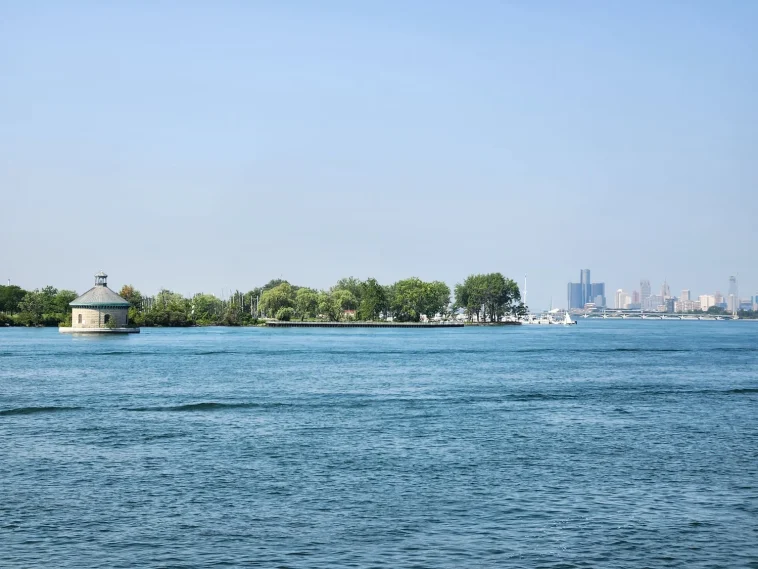

Examining the Urgent Call for Better Lake St. Clair Protection
In recent news, Michigan Senate Minority Leader Sen. Kevin Hertel has been vocal about the need for a bolder approach to safeguarding Lake St. Clair. The issue at hand centers around Oakland County’s recently proposed corrective action plan—a plan that many believe only scratches the surface. At its core, the proposal appears to continue a practice that has long been a source of both environmental concern and community frustration: the discharge of sewage overflows into the lake and other regional waterways.
This editorial takes a closer look at the tangled issues involved, evaluates the current proposals, and asks whether the measures on the table are sufficient. As we dive in to examine the situation, we must appreciate that Lake St. Clair is a unique natural resource—one that demands respect and careful protection. There is no substitute for this body of water, and failing to invest in its clean-up and future could have lasting impacts on both the environment and nearby communities.
Understanding the Current Situation and the Proposed Plan
At the heart of this debate lies Oakland County’s corrective action plan, initiated after a determination of non-compliance with the Natural Resources and Environmental Protection Act by the Michigan Department of Environment, Great Lakes, and Energy (EGLE). The proposed plan, while a step in the right direction, falls short of addressing what many see as the root cause of the recurring problem: severely outdated infrastructure. The plan, critics argue, is like treating the symptoms of a disease while ignoring the underlying illness.
Sen. Hertel has been on record stating, “We only have one Lake St. Clair—if we don’t take the steps necessary to protect it, we don’t get another.” His pointed comments emphasize that any approach, whether permitted or not, that allows for ongoing sewage discharge is not enough. In his view, the plan is at best superficial and, at worst, dangerous, as it effectively permits the continuation of practices that have repeatedly put the lake’s ecosystem at risk.
For many in the region, this matter isn’t merely bureaucratic red tape; it embodies a broader struggle between maintaining existing, problematic infrastructure and the pressing need for modern upgrades that can handle sewage management effectively.
Issues with Inadequate Infrastructure and Outdated Solutions
One of the core challenges lies with the county’s aging infrastructure. Although the corrective action plan is intended to bring Oakland County back into compliance, it does little to resolve the complicated pieces of infrastructure that need substantial improvements. Rather than addressing the root problem, the proposed measures seem to allow for a continuation of the current discharge practices—regardless of whether permits are in place or not.
This approach not only perpetuates a cycle of environmental degradation but also puts the region’s future in peril. Sewage overflows, even if intermittent, introduce harmful contaminants into local waterways. Over time, these contaminated discharges can accumulate and create conditions that are both harmful to aquatic life and potentially dangerous to human health.
Ultimately, the ongoing reliance on old and failing infrastructure is a classic example of trying to manage the aftermath of a problem without investing in a long-term solution. The plan has been compared to applying a bandage on a deep wound instead of opting for the necessary surgery to repair it. This analogy captures the essence of the discussion that has sparked heated debates among environmental advocates, local officials, and concerned residents alike.
Comparing Approaches: Oakland vs. Macomb County
When discussing solutions for Lake St. Clair’s ongoing challenges, it is useful to contrast the efforts of different counties. While Oakland County appears to be sticking with an approach that many see as half-hearted, Macomb County’s public works initiatives have been more ambitious. In many respects, Macomb County has been viewed as a leader—investing in upgrades that could more effectively reduce combined sewer overflows and work toward long-term sustainability.
Sen. Hertel’s recent remarks were explicit in drawing a comparison with Macomb County’s efforts. He pointed out that while he is thankful for Oakland County’s willingness to engage in dialogue, the county’s plan remains far from sufficient. It lacks the critical measures needed to truly eliminate the practice of discharging untreated sewage into Lake St. Clair.
Below is a table outlining some key differences between the two counties’ approaches:
| Aspect | Oakland County | Macomb County |
|---|---|---|
| Infrastructure Investment | Minimal updates proposed; continuing with existing systems | Significant investment in upgrading outdated pipelines and facilities |
| Plan Depth | Focuses on short-term patch-up solutions | Long-term solutions backed by substantial funding commitments |
| Environmental Protection | Possibly insufficient measures during transitional phases | Proactive steps aimed at reducing future overflows |
| Stakeholder Engagement | Limited consultation with environmental experts | Collaborative planning with multiple agencies and community groups |
This comparison elucidates why many in the region, including Sen. Hertel, believe that Oakland County needs to follow in the footsteps of its neighbor by taking bolder steps toward modernizing its systems. In doing so, not only would the health of Lake St. Clair be better protected, but the overall quality of life for local residents could improve as well.
Environmental and Community Implications of Continued Sewage Overflows
Beyond the technicalities of infrastructure lies the human and environmental cost. Sewage overflows have a range of negative impacts that extend far beyond the immediate visual and olfactory nuisances. These discharges can introduce pathogens, heavy metals, and other harmful substances into Lake St. Clair—a resource that many people depend on for both recreation and drinking water.
Here are some of the main implications:
- Public Health Concerns: Prolonged exposure to contaminated water can result in a host of illnesses, particularly among vulnerable populations like children and the elderly.
- Aquatic Life Disruption: The introduction of harmful bacteria and chemicals into the ecosystem can alter the delicate balance of aquatic communities, leading to fish kills and other ecological problems.
- Ecosystem Degradation: Persistent contamination can adversely affect water quality, compromising both the natural habitat and the scenic appeal of the lake.
- Economic Consequences: Lake St. Clair is not just a natural resource—it’s an economic asset for the region. Declining water quality can impact tourism, fishing industries, and property values.
In this context, the continued practice of releasing even controlled amounts of sewage into the lake is seen as a risky bet. While the current plan may seem to offer a temporary reprieve from having to overhaul an aging system, it is ultimately a strategy that could lead to far more costly repairs—both economically and environmentally—in the coming years.
Long-Term Policy Considerations for Protecting Lake St. Clair
Given the numerous complicated pieces involved in the management of Lake St. Clair, it is clear that a more robust, forward-thinking policy is needed. Such a policy must dive in to address the hidden complexities of outdated infrastructure and aim to mitigate the long-term risks associated with sewage overflows. Here are several policy recommendations that could set the stage for a safer future:
- Comprehensive Infrastructure Overhaul: Rather than relying on quick fixes, policymakers must commit to a thorough upgrade of the sewage and water treatment systems. This involves not only new installations but also the careful maintenance of existing systems.
- Enhanced Regulatory Oversight: Increased oversight from state agencies like EGLE could ensure that counties adhere to standards that sufficiently protect both human health and the environment. This might include stricter penalties for non-compliance and more frequent reviews of action plans.
- Collaborative Regional Planning: Indiana, Macomb, and Oakland counties should work together—drawing on past successes and innovative approaches—to formulate a joint strategy. A regional task force could efficiently coordinate efforts, ensuring that no community bears a disproportionate burden.
- Public Engagement Initiatives: It’s essential that local residents are not only informed but actively engaged in the decision-making process. Regular community forums and public consultations can help tailor solutions that reflect the needs and concerns of those directly impacted.
- Sustainable Funding Models: Securing long-term, stable funding for environmental protection projects is key. This could involve state funding, federal grants, or public-private partnerships that share the cost and responsibilities of upgrading infrastructure.
By taking these measures, policymakers can help ensure that Lake St. Clair is protected not just for today’s residents, but for future generations. Our environmental legacy depends on the decisions made now, and it is incumbent upon local leaders to anticipate and mitigate the challenges posed by aging infrastructure and environmental degradation.
Community Voices and the Call for Transparent Governance
While infrastructure and policy debates often focus on technical data and bureaucratic details, it is important to remember the human side of this issue. Communities around Lake St. Clair have begun to express their concerns, sharing firsthand accounts of how water quality issues affect their daily lives. These voices add a layer of depth and urgency to the discussion.
Residents have observed that the impacts of sewage overflows extend into everyday activities—from reduced recreational opportunities to worries about the safety of local swimming and fishing spots. In many cases, these lived experiences translate into a passionate call for change.
Consider these common points raised by locals:
- Environmental Stewardship: Many residents feel a strong emotional and cultural connection to Lake St. Clair. For them, protecting the lake is as much about preserving heritage and natural beauty as it is about environmental safety.
- Quality of Life: Clean water is a key component of a healthy community. When lake conditions deteriorate, local economies suffer, recreational activities are curtailed, and the overall standard of living can decline.
- Trust in Public Institutions: Transparent, accountable governance is essential. When plans appear insufficient or merely cosmetic, public trust can erode, leading to increased skepticism about future initiatives.
For policymakers, addressing these community concerns offers a dual opportunity: improving Lake St. Clair’s condition while also bolstering public confidence in government action. The current discourse, therefore, is not an abstract debate—it is about real people facing tangible consequences every day.
Environmental and Economic Benefits of Upgraded Infrastructure
Upgrading infrastructure isn’t just an environmental imperative; it can also unlock significant economic benefits. Better water management systems reduce risks to public health and improve the resilience of local industries. When the natural environment is cared for, it creates a virtuous cycle that benefits communities across multiple dimensions.
Key advantages of modernized sewage systems include:
- Reduced Cleanup Costs: Preventative measures often cost less in the long run than reactive cleanup efforts after environmental damage has occurred.
- Improved Public Health: Cleaner water means fewer health emergencies and related public expenditures, reducing the burden on local healthcare systems.
- Boosted Tourism: Lake St. Clair is a precious recreational asset. A well-maintained lake with high water quality draws tourists, supporting local businesses such as restaurants, hotels, and recreational outfitters.
- Enhanced Property Values: Neighborhoods with better environmental quality and reliable infrastructure tend to see their property values rise as a result of increased desirability.
In essence, the economic argument for upgrading infrastructure is intertwined with environmental imperatives. Investing in sustainable water management is not a cost—it is an investment in the region’s future prosperity. Both the environment and the local economy are inextricably linked, and the benefits of positive environmental actions ripple out across the entire community.
Breaking Down the Obstacles: The Tricky Parts of Implementation
Implementing significant infrastructure upgrades is far from a straightforward task. There are several tricky parts involved in taking the necessary steps to completely overhaul the systems that currently govern water management in Oakland County. It’s a process that involves a host of challenges, ranging from technical design to political negotiations.
Let’s break down some of these challenges:
- Funding Limitations: Securing enough resources to undertake comprehensive upgrades is an overwhelming task. Funding must be allocated wisely, often relying on a mixture of state, federal, and local investments or even public-private partnerships.
- Political Will: The ability to make bold decisions often hinges on the political environment. Garnering the full support of local officials, state regulators, and community leaders is not always easy, especially when short-term interests sometimes conflict with long-term goals.
- Engineering Challenges: Modernizing aged infrastructure requires technical expertise and careful planning. The nitty-gritty details—such as how to retrofit old systems, construct new pipelines, or design innovative treatment facilities—demand a fine balance of engineering skill and creative problem solving.
- Time Horizons: These projects often span multiple years. In the interim, communities continue to face the direct impacts of outdated systems, making it essential that transitional measures effectively safeguard public health.
Overcoming these obstacles isn’t simply about technical fixes—it’s about managing competing interests, building consensus among diverse stakeholders, and creating a clear, persuasive narrative that encourages sustained investment. Each of these areas contains its own set of complicated pieces, requiring that all involved parties work together in a transparent and accountable manner.
Future Generations and the Ethical Imperative to Act
One of the most compelling arguments for taking bolder action is the responsibility we bear to future generations. Sen. Hertel’s mention of “our future generations counting on us” taps into a broader ethical conversation: if we fail to secure and enhance our natural resources today, we leave our descendants with a diminished legacy.
For many environmental advocates, this isn’t merely about preserving physical beauty—it’s about safeguarding the health, well-being, and economic stability of communities that will depend on these resources for years to come. The choice is clear: either invest in immediate, robust improvements or face the consequences of a deteriorating natural environment.
From an ethical standpoint, the stakes are incredibly high. Here are a few ethical considerations that underscore the urgency of reform:
- Intergenerational Equity: Future citizens inherently deserve the same, if not better, access to clean water and a healthy environment. Our actions today have long-term impacts that cannot easily be reversed.
- Sustainability and Stewardship: As stewards of the natural world, we have a moral obligation to act responsibly. Neglecting environmental protection in favor of short-term budgetary gains undermines our collective responsibility.
- Social Justice: Vulnerable communities are often the most affected by environmental degradation. Ensuring that every community enjoys clean, safe water is a matter of fundamental fairness and justice.
This ethical framework not only supports calls for infrastructural upgrades but also mandates that local governments move quickly and decisively to protect Lake St. Clair. The costs of inaction are measured not only in economic losses but also in the diminished quality of life for countless residents.
How State Funding and Policy Can Pave the Way for a Clean Future
Addressing the sewage overflow problem is a challenge that goes well beyond county borders. It necessitates a cohesive strategy at the state level—one that recognizes the essential role of state funding in driving large-scale infrastructure improvements.
Securing state funds is a critical component of this strategy. With the prospect of nearly $100 million already being funneled back into the region for wastewater management and infrastructure rejuvenation, there is a tangible sign of hope. However, the momentum must be maintained and even accelerated.
Here are some key reasons why state funding and comprehensive policy frameworks are super important for ensuring a clean future:
- Scalability: State funding can provide the necessary capital to implement large-scale solutions that individual counties might struggle to afford on their own.
- Uniform Standards: A state-led approach ensures that all counties adhere to a consistent set of standards. This reduces the likelihood of one area lagging behind in environmental protection measures.
- Enhanced Accountability: With oversight from multiple levels of government, policies can be implemented with greater transparency. Clear benchmarks and milestones help measure progress and ensure that funds are used efficiently.
- Long-Term Sustainability: State-supported initiatives are better positioned to create lasting changes rather than temporary fixes. Investments in research, technology, and skilled manpower help build resilient infrastructure for the future.
Furthermore, a collaborative effort involving state funding can encourage counties like Oakland to rethink their strategies and adopt models that emphasize long-term benefits over short-term expediency. By aligning local practices with state priorities, it becomes possible to create a more unified and effective approach to environmental management that benefits every stakeholder.
The Role of Community Involvement in Driving Policy Change
As discussions continue at the municipal and state levels, community involvement remains a cornerstone of successful policy change. Engaged citizens have the power to influence lawmakers, hold officials accountable, and ensure that initiatives are both transparent and reflective of the public’s best interests.
For communities around Lake St. Clair, staying informed and getting involved in the planning process is crucial. Here are some ways that individuals and community groups can help steer through the ongoing challenges:
- Attend Public Forums: Regular community meetings and public consultations provide a platform for residents to voice their concerns and learn about new initiatives.
- Advocacy and Awareness: Local advocacy groups can spearhead campaigns that highlight the consequences of sewage overflows and the damaged infrastructure. Sharing stories and personal experiences can put a human face on the environmental data.
- Engage with Local Leaders: By communicating directly with elected officials, community members can advocate for more substantial infrastructure investments. Feedback from constituents can be a powerful motivator for decisive action.
- Utilize Social Media and Traditional Media: Leveraging platforms like social media or local news outlets can amplify community viewpoints, ensuring that the call for improved water quality reaches as wide an audience as possible.
When local voices merge with state and county efforts, the path forward becomes much clearer. Collaborative efforts that include all levels of government and community stakeholders significantly boost the chances of implementing the bold reforms that are urgently needed.
Seizing the Opportunity for Systemic Change
The conversation surrounding Lake St. Clair is not simply a debate about local sewage management—it is an opportunity for systemic change. At its core, the conflict between maintaining outdated infrastructure and adopting innovative, sustainable solutions reflects a larger challenge faced by many regions grappling with environmental degradation versus progress.
Seizing this opportunity means being willing to acknowledge that temporary fixes are not enough. Instead, we must be open to transformative approaches that not only protect our environment but also stimulate economic growth, improve public health, and foster a renewed sense of community pride.
Key strategies for systemic change include:
- Integrated Planning: Developing long-range plans that integrate environmental, social, and economic factors. These strategies should be flexible enough to adapt to unexpected challenges while remaining grounded in robust, evidence-based research.
- Innovative Technologies: Investing in the latest wastewater treatment technologies can significantly reduce the rate of sewer overflows while promoting energy efficiency and sustainability. Pilot programs and research collaborations can help identify the best solutions to implement.
- Cross-Sector Partnerships: Aligning interests among government agencies, private sector partners, academia, and non-profit organizations can lead to creative financing solutions and the sharing of critical expertise.
- Accountability Mechanisms: Establishing clear, measurable benchmarks and timelines for achieving infrastructure upgrades ensures that progress is both visible and verifiable. Regular reporting can build trust and provide the basis for further improvements.
These strategies highlight that a commitment to environmental resilience and community well-being goes hand in hand with embracing innovation and systemic reform. For regions around Lake St. Clair, the time to act is now—before the consequences of inaction become irreversible.
Reflecting on Leadership and the Path Forward
Sen. Hertel’s impassioned call for bolder action resonates as much with environmental advocates as it does with everyday citizens. His stance represents a desire for leadership that is willing to take on the overwhelming challenge of modernizing outdated infrastructure—even when the path forward is riddled with tension and complicated pieces.
As local leaders deliberate over their options, it is essential to remember that maintaining the status quo is not a viable long-term strategy. The health of Lake St. Clair, the air we breathe, and the water we drink are too important to be managed by quick fixes alone. Instead, a comprehensive overhaul of policies, infrastructure, and oversight is called for.
Ultimately, what is at stake is more than just a single lake or county. It is the broader commitment of our society to care for natural resources that underpin our quality of life. With steadfast advocacy, transparent governance, and a willingness to invest in sustainable change, fruition of a cleaner, healthier environment is entirely within reach.
Conclusion: A Call to Action for a Safer, Cleaner Future
The situation at Lake St. Clair serves as a potent reminder of the fine balance between meeting current needs and planning for the future. While Oakland County’s corrective action plan may represent a step, it is clear that much more is needed. As Sen. Hertel rightly asserts, “Continuing to dump sewage into the lake, permit or no permit, isn’t going to cut it.”
This statement challenges all of us to figure a path towards a future where the natural beauty and essential resources of Lake St. Clair are preserved for generations to come.
Environmental challenges, economic pressures, and public health concerns converge in this case—demanding that we not only sort out the immediate issues but also look deeper into creating lasting, positive changes. It is only through a mix of determined policy overhaul, enhanced state funding, and active community engagement that we can divert from a precarious future.
In conclusion, while the current corrective action plan offers a starting point, it is, by many measures, far too modest in the face of systemic issues and growing environmental risks. As communities across Michigan and beyond watch with bated breath, the call for substantial reform underscores a universal truth: protecting our natural resources is an investment in the future. Our actions today will determine the legacy we leave behind.
Let us join together—residents, policymakers, environmental advocates, and other stakeholders—to push for the transformative changes needed to secure a clean, resilient, and prosperous future for Lake St. Clair and all who depend on it. The time for bold action is now, and with unified effort, we can create a foundation for lasting environmental and community well-being.
Originally Post From https://senatedems.com/hertel/2025/06/09/protecting-lake-st-clair/
Read more about this topic at
Investment Pays – ASCE’s 2025 Infrastructure Report Card
It’s time to accelerate modernizing America’s infrastructure