Michigan’s Bald Eagle Challenge: A Contemporary Conservation Dilemma
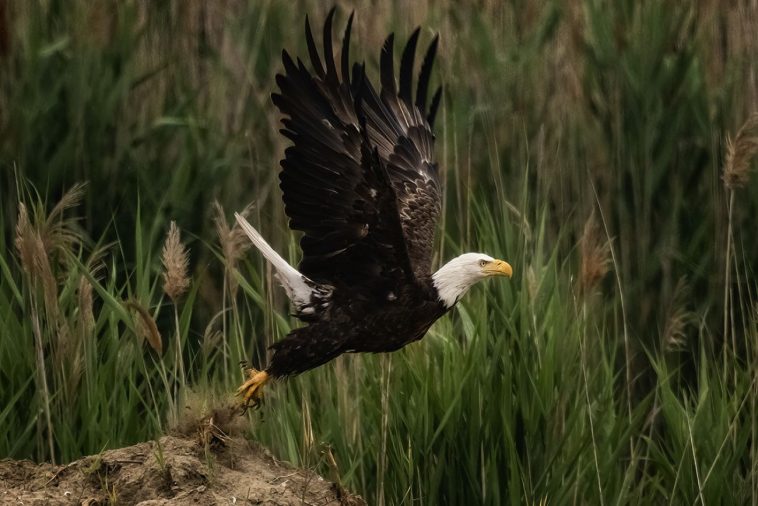
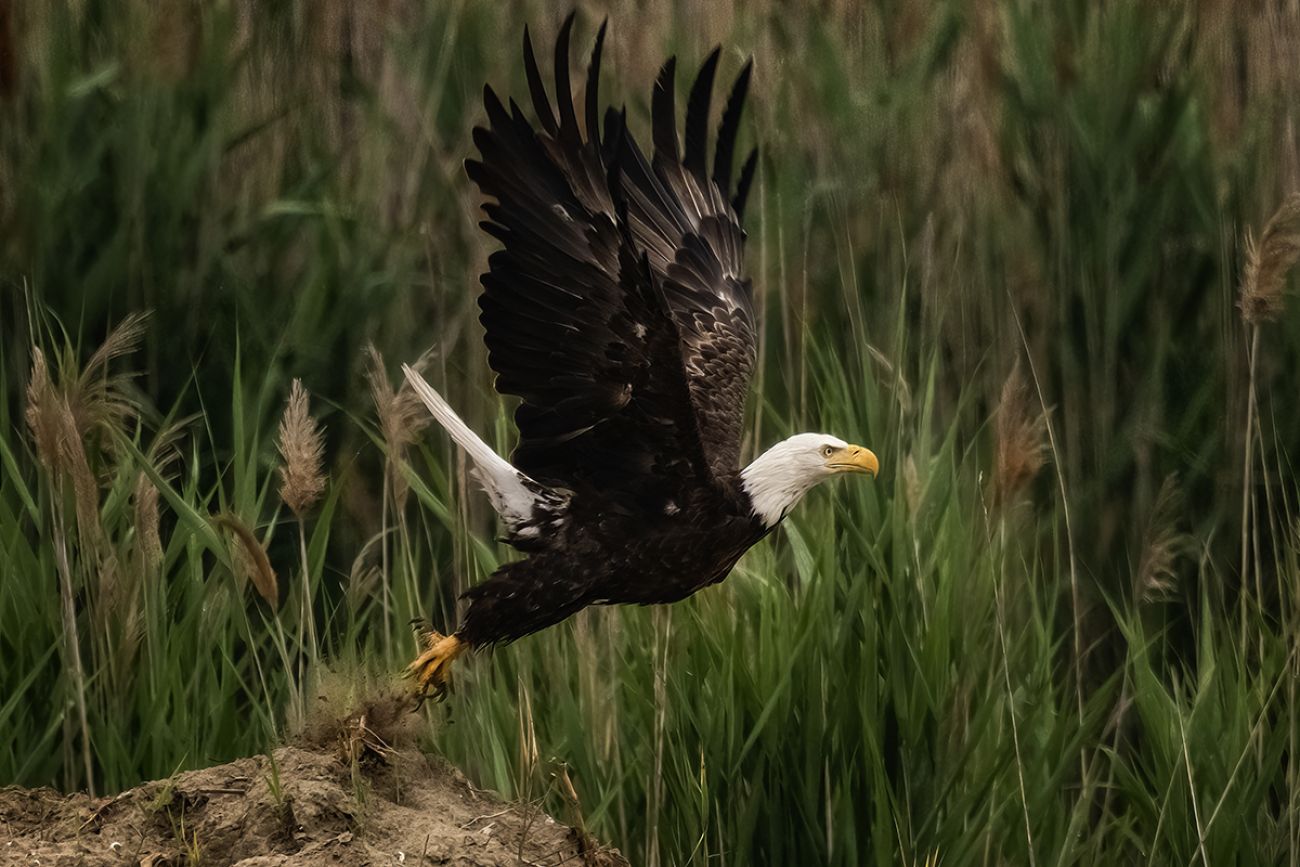
Michigan’s beloved bald eagle has long stood as a symbol of American conservation success. Decades ago, once endangered due to habitat loss, hunting, and toxic chemicals like DDT, these magnificent birds began their gradual recovery thanks to strong environmental protections. However, new challenges are now emerging. Recent observations from dedicated field crews in Michigan reveal worrying signs of reproductive trouble among bald eagles, including empty nests, malnourished eaglets, and damaged nesting sites. In this opinion piece, we take a closer look at the multiple stressors facing these iconic birds today and explore how factors like severe weather, food scarcity, funding delays, and human-induced hazards are contributing to these issues. These tangled issues are far from isolated; they resonate with broader environmental and policy concerns affecting not only Michigan’s wildlife but also our collective future with conservation and nature management.
Funding Delays: The Hidden Hurdle in Wildlife Monitoring
One of the most concerning aspects currently hampering the recovery of bald eagles in Michigan is a significant delay in funding. For years, state-supported aerial surveys and field crews have provided researchers a clear look into the health and productivity of eagle nests across the region. However, more than $700,000 in federal funds, earmarked for critical wildlife monitoring through the Great Lakes Restoration Initiative, has yet to be released. This delay jolts long-established monitoring programs into a problematic delay that complicates effective fieldwork.
How Funding Delays Disrupt Field Operations
When financial resources are delayed, the following happens:
- Reduced Field Visits: Instead of having multiple fully equipped crews, many monitoring tasks fall to volunteers, significantly limiting how many nests can be visited in the narrow, safe period required to handle eaglets.
- Gaps in Data Collection: With fewer crews, vital information on eagle health, such as blood samples or measurements of feathers and body size, risks being incomplete or missing altogether.
- Delayed Detection of Problems: When funding issues force fewer visits, researchers may not be able to spot early signs of wider environmental threats, leaving problems to fester undetected.
This situation underlines a broader debate about environmental budgeting and the impact that financial unpredictability can have on long-term research. Without the consistent funding needed to support these essential, hands-on wildlife monitoring tasks, even well-planned research programs can suffer, ultimately putting the health of a recovering species at risk.
Severe Weather and Food Scarcity: Tough Twists for Nesting Eagles
Recent trends in Michigan’s weather patterns appear to be adding new, nerve-racking obstacles for bald eagles. Unseasonal flooding and severe wind events have not only damaged nests but are also making it increasingly hard for adult eagles to find adequate food. The chain reaction – from diminished access to fish to overstrained parental care – is leading to a disturbing drop in the number of young eagles reaching maturity.
Impacts of Extreme Weather and Reduced Food Availability
The implications of severe weather for eagle reproduction include:
- Damaged or Destroyed Nests: High winds and intensive rain can physically impair the structure of eagle nests, making them unsafe or unusable for rearing chicks.
- Lowered Prey Availability: Flooded fishing grounds reduce the availability of the fish that eagles depend on, leaving many hungry adults struggling to nourish their offspring.
- Compromised Adult Health: In some cases, a scarcity of food affects the adults’ own health, leading to diminished reproductive capacity or even mortality in extreme cases.
While natural weather events have always played a part in the ecosystem’s delicate balance, the combination of prolonged cold winters, excessive spring flooding, and repeated wind events this year appears to be creating an intimidating array of challenges. The consequences of these closely linked issues are evident in the noticeable drop in the number of eaglets and the occurrence of starving adult eagles in some locations.
Human-Induced Hazards: A Multifaceted Threat Revisited
Even as Michigan’s bald eagle population bounces back from near-extinction decades ago, long-standing issues continue to erode their progress. Human activities such as vehicular traffic, industrial pollution, and even the lingering effects of lead ammunition used in hunting are persistent problems. Field data reveals that trauma, ranging from vehicle collisions to other incidental impacts, continue to account for a significant proportion of eagle fatalities. Furthermore, lead toxicosis remains a stubborn threat, affecting eagle health in critical ways.
Breaking Down the Human-Induced Risks
The following table summarizes some of the key hazardous impacts associated with human activities:
| Hazard | Impact on Eagles | Long-Term Consequences |
|---|---|---|
| Vehicle Strikes | High mortality and injury rates | Decreased adult population, less breeding success |
| Lead Toxicity | Poisoning from feed on contaminated carcasses | Cumulative health deterioration leading to mortality |
| Industrial Pollution | Exposure to pesticides and chemicals such as PFAS and PCBs | Potential genetic and developmental impacts |
| Disease Outbreaks | Exposure to avian influenza among adult birds | Rapid population declines in critical breeding seasons |
Such human-related risks are not isolated issues. They are part of a broader environmental puzzle that includes everyday incidents like roadkill and improper disposal of industrial chemicals. Each hazardous event contributes to a kind of unhealthy pressure, making the survival and reproduction of bald eagles even more complicated. Research teams remain ever-vigilant, but each thread in this multifaceted problem requires a coordinated and sustained response from both local governments and conservation organizations.
The Importance of Long-Term Wildlife Monitoring
Despite recent setbacks, continuous and long-term monitoring of eagle populations remains an essential activity that provides a glimpse into the fine points of environmental health. Detailed surveys aren’t just about counting birds; they also help scientists collect data on contaminants, assess the effects of severe weather, and understand how food web dynamics are evolving. Every nest visit is an opportunity to collect super important data, ranging from blood tests to measurements of body size and feather quality, each of which offers subtle details about the state of the local ecosystem.
Key Elements of an Effective Monitoring Strategy
- Regular Aerial Surveys: These provide an overview of breeding pair distribution and general nesting activity over a large geographic area.
- Field Crews and Volunteer Involvement: Well-trained teams are essential for climbing trees safely and collecting data the right way during extremely short observation windows.
- Data Analysis: The results of each nest visit are compared with historical data to spot patterns that show whether the environment is healing or deteriorating.
- Contaminant Testing: Analyzing blood samples and other biological tissues helps pinpoint sources of pollutants such as mercury, PFAS, pesticides, and PCBs.
These monitoring activities are not merely academic exercises; they are the backbone of effective wildlife management. The data collected enables researchers to paint a full picture of the ecosystem’s health. Ultimately, these insights inform policy decisions, help shape conservation strategies, and gauge the overall success of species recovery programs in environments that are constantly changing.
Environmental Policies and the Ongoing Struggle for Habitat Protection
While the recovery of bald eagles in Michigan was once hailed as a conservation triumph, it remains a delicate balance influenced by a host of external factors. Policies designed to protect wildlife have played a super important role in bringing the species back from the brink. However, even well-crafted regulations must contend with an unpredictable environment. Policy gaps, coupled with the delays in essential funding, add a layer of tension to the current situation. Here, we need to examine how effective rules are often undermined by unexpected challenges and insufficient resources.
The Key Policy Measures Supporting Bald Eagle Recovery
Over the years, several key initiatives have combined regulatory might with conservation efforts. These include:
- Federal Protections: Laws that banned harmful pesticides like DDT created a safer environment for eagles and many other species.
- Environmental Regulations: Stricter controls on pollutants and industrial waste have reduced many of the risks that once seriously endangered wildlife.
- Restoration Programs: Initiatives such as the Great Lakes Restoration Initiative have been critical in supporting scientists and local communities during the recovery process.
- Funding for Research: Allocated funds, when distributed on schedule, empower research teams to perform in-depth studies and deploy multiple field crews for comprehensive monitoring.
While each of these measures acts as a bulwark against environmental degradation, the current situation reveals new challenges. The simultaneous occurrence of severe natural events and human-induced hazards calls for a closer re-examination of both the robustness and sufficiency of these policies. Ensuring consistent funding and revising regulatory frameworks in the face of climate change will be central to protecting not only bald eagles but the delicate ecosystem of the Great Lakes more broadly.
Economic and Environmental Intersections: A Broader Narrative
At first glance, the plight of Michigan’s bald eagles might seem narrowly focused on bird populations and their nesting patterns. However, the issues faced by these raptors also speak to a larger narrative that stretches across economic and environmental lines. The health of bald eagles is inherently connected to water quality, local economies, and even the tourism sector. When the ecosystem is stressed, whether by contamination or insufficient prey, the ripple effects touch many aspects of life in Michigan.
How Wildlife Challenges Affect Local Economies and Communities
A number of factors intertwine to create this broader picture:
- Tourism: Michigan’s natural landscapes and wildlife, including its iconic bald eagles, attract visitors from far and wide. Declines in wildlife populations can dampen the tourism experience, affecting local businesses and revenue streams.
- Recreational Fishing: Severe weather events and pollution not only impact eagles but also reduce fish populations. This, in turn, affects recreational fishing and the economies that depend on it.
- Water Quality Indicators: Eagles act as sentinels for broader environmental conditions. Their health reflects the cleanliness of local water systems and the state of aquatic life, which are both crucial to community well-being.
- Public Sentiment: Conservation success stories inspire pride in local communities. Conversely, witnessing unexpected declines in a once-thriving population can stir up concern and push public pressure for stronger protective measures.
In essence, the story of Michigan’s bald eagles is not just about one species; it is a mirror reflecting the effects of environmental policies, extreme weather, and human practices on the community at large. When city planners, environmental advocates, and public officials work together to address these tricky parts, they pave the way for a healthier and more sustainable future.
Field Observations and the Critical Need for Data-Driven Decisions
Field crews on the ground have provided heart-wrenching evidence that conditions in the breeding season are unlike anything seen in decades. With documented instances of dead nestlings, visibly weakened eaglets, and damaged nests from violent wind events and flooding, the collected data underscore how environmental instability is taking a toll. When expert researchers talk about “widespread reproductive difficulties,” they are describing a situation where long-term trends suggest that multiple overlapping stressors—the heavy winter, erratic spring flooding, and other natural disturbances—are converging in ways that disrupt egg hatching and chick survival.
Utilizing Field Data to Shape Future Policies
Here are the essential data points that field researchers are focusing on:
- Nesting Success Rates: Tracking the number of active nests versus empty or failed nests helps determine the overall successful reproduction rate over the season.
- Contaminant Levels: Regular sampling for chemicals like PFAS, mercury, and other pollutants helps determine the quality of the eagles’ habitats.
- Mortality Causes: By categorizing eagle deaths—whether due to trauma, disease, or poisoning—scientists can better understand which risks are most threatening.
- Seasonal Weather Data: Correlating nest success with weather patterns aids in forecasting future productivity challenges, especially during extreme weather seasons.
All these data points are critical for crafting responsive policies that not only protect bald eagles but also allow us to make informed decisions about broader environmental management strategies. As the situation unfolds, the ongoing collection and analysis of such data will be super important in guiding the long-term strategies to preserve Michigan’s natural heritage.
Community Involvement and Volunteer Contributions
One of the brighter spots in the current conservation landscape is the active participation of local volunteers. Their dedication in climbing trees, handling nest monitoring tasks, and even engaging in contaminant testing highlights how community involvement can help fill in gaps when institutional funding delays create operational hurdles. Volunteers often work side by side with professional researchers, and their detailed observations prove indispensable in painting an accurate picture of the current state of local biodiversity.
How Volunteers Make a Difference
Community efforts in Michigan consist of the following contributions:
- Hands-On Nest Surveys: Volunteers are often on the front lines, visiting eagle nests during critical breeding windows.
- Data Collection Support: Assisting in the gathering of measurements, samples, and general observations helps maintain comprehensive databases.
- Public Awareness and Advocacy: Local groups often hold workshops and informational sessions that raise awareness about the challenges and successes of eagle conservation.
- Partnership with Research Institutes: The collaboration between community organizations and research bodies creates resilient networks that can better address sudden environmental challenges.
This collective effort is a testament to how community resilience can help bolster professional scientific work, especially when faced with overwhelming regulatory twists and funding uncertainties. For many, these volunteer actions underscore the belief that everyone has a role in protecting natural habitats and ensuring that future generations can continue to witness the grandeur of soaring bald eagles in Michigan.
Looking Ahead: Strategies for a Sustainable Future
The current state of Michigan’s bald eagle population, while still considerably healthier than it once was, is at a crossroads. The cumulative effect of severe weather events, food shortages, human-induced hazards, and funding uncertainties points to a future that is both unpredictable and loaded with challenges. However, there are hopeful strategies that can guide us through these trying times.
Proactive Measures for the Next Phase of Conservation
If we are to secure a strong future for bald eagles and the broader ecosystem, the following actions should be prioritized:
- Improved Funding Mechanisms:
- Streamline the federal and state processes to release funds on time.
- Establish emergency contingency funds to respond to unexpected wildlife crises.
- Create public-private partnerships that bolster long-term sustainability.
- Enhanced Monitoring Protocols:
- Invest in modern technology for aerial surveys and data collection.
- Expand volunteer training programs to ensure safety and accuracy during nest visits.
- Utilize real-time data analytics to spread awareness swiftly when unusual patterns emerge.
- Robust Environmental Policies:
- Review and update current policies to address new types of contamination and emerging hazards.
- Strengthen local regulations on industrial pollutants to reduce chronic exposure to toxins.
- Support research initiatives that explore long-term effects of climate change on wildlife habitats.
- Community Outreach and Education:
- Promote conservation education in schools and communities.
- Encourage local citizen science initiatives that monitor wildlife and environmental conditions.
- Facilitate public forums where scientists, policymakers, and community members can share insights.
Implementing these measures would not only help stabilize the bald eagle population but also create a more resilient framework for wildlife conservation in the face of unpredictable environmental energy. The interplay of policy, community engagement, and scientific research represents our best hope for navigating through these tangled issues.
Conclusion: A Call for Integrated Conservation Efforts
Michigan’s experience with its iconic bald eagle population offers an important lesson in the fragile balance between nature and human influence. The observed challenges—whether they stem from funding delays, severe weather, or human-induced hazards—remind us that progress in conservation is never a one-time victory but a continuous battle involving many moving parts. Field observations and long-term monitoring are essential tools for uncovering the hidden complexities and subtle details of wildlife health in our rapidly changing environment.
It is super important to remember that while the future is riddled with problems and uncertain twists, the solution lies in a collaborative effort that brings together policymakers, researchers, community volunteers, and concerned citizens. By addressing funding bottlenecks, adapting to ever-changing weather extremes, and mitigating the human impacts that have long imperiled these birds, we can hope to sustain Michigan’s bald eagle population for future generations.
This issue, emblematic of broader environmental challenges, calls for a careful, integrated approach—one that is as pragmatic as it is passionate about nature. It is our responsibility to ensure that these raptors, who once symbolized the triumph of conservation, continue to soar high overhead, unburdened by the overwhelming twists and tangled issues of the modern world. The path forward requires a collective commitment to research, restoration, and responsible stewardship of our natural resources.
In the grand scheme of conservation, every nest visit, every volunteer hour, and every dollar released in timely support of research makes a tangible difference. The story of Michigan’s bald eagles is far from over—it is, instead, a call to action for each of us to find our way and do our part in ensuring that our wild spaces remain vibrant, healthy, and ready to inspire the next generation of naturalists, policymakers, and community stewards alike.
Originally Post From https://www.greatlakesnow.org/2026/06/09/michigan-bald-eagle-success-story-faces-new-threats/
Read more about this topic at
The Eagles Under The Most Pressure Entering Minicamp
Eagles minicamp observations: Recapping a busy Day 1