Fighting Invasive Mussels in the Great Lakes: A Cross-Border Call for Innovation
The Great Lakes are among North America’s most cherished natural treasures, providing essential resources for local communities, robust fisheries, and a wealth of recreational opportunities. Yet, for decades, the introduction and spread of zebra and quagga mussels has transformed these waters into a battleground where human industry and environmental sustainability meet head on. These invasive mussels have quietly reshaped the ecosystem, presenting a tangled host of challenges that affect not only fish populations, but also the economic stability and cultural heritage of the regions around the Lakes.
Today, we face a moment of critical decision-making. A Joint U.S.–Canadian Committee of Advisors to the Great Lakes Fishery Commission has stepped forward with an urgent call to action, urging the U.S. Congress to allocate necessary funds to combat this widespread problem. This op-ed examines the many twists and turns of the situation, discussing everything from the environmental repercussions to the political maneuvers behind funding legislation like the Save the Great Lakes Fish Act. By taking a closer look at this issue, we can better understand the hidden complexities of maintaining a healthy ecosystem and the urgent need for bipartisan support.
Understanding the Impact: Invasive Mussels and Their Effects on the Great Lakes Ecosystem
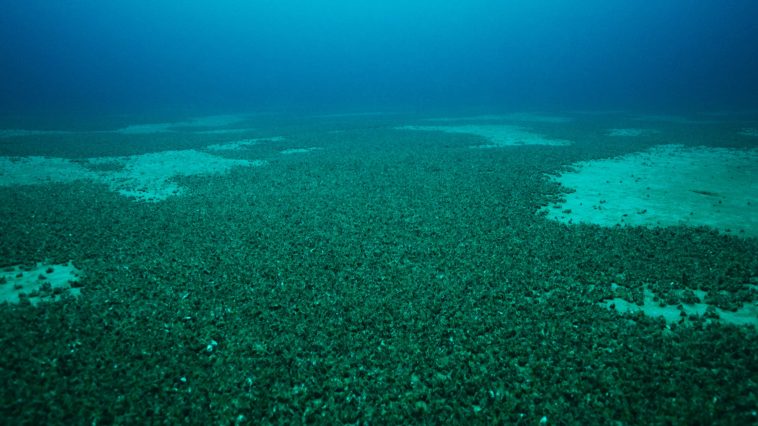
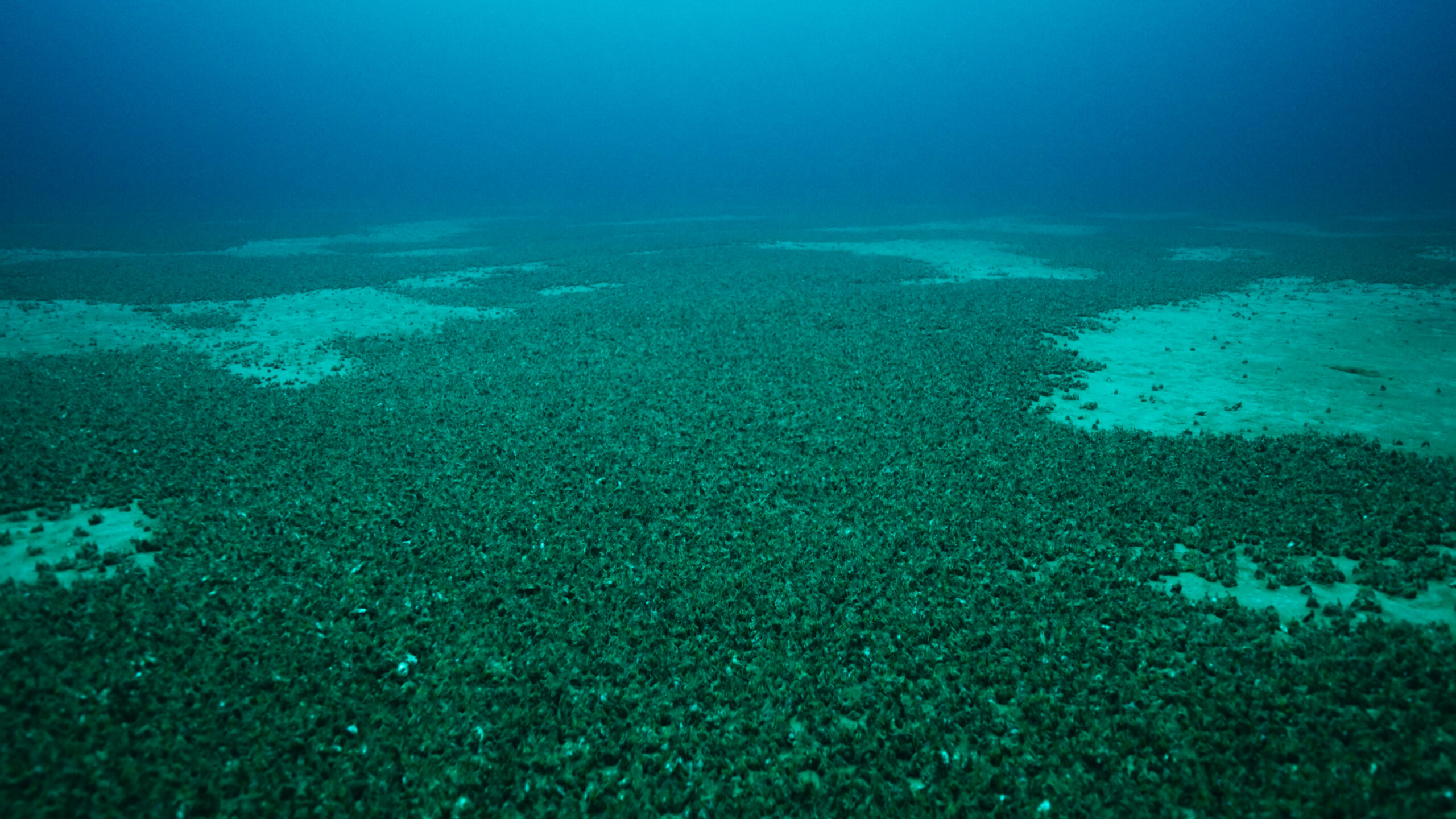
Since their appearance in the early 1980s, zebra and quagga mussels have infiltrated the Great Lakes, bringing with them a host of environmental challenges. These shellfish are not native to the region and have quickly become a dominant force by excessively filtering water—an act that inadvertently disrupts the natural cycles of other aquatic species. Such disruptive behaviors have led to changes in the food chain and affected the natural balance in ways that are both unpredictable and serious.
Some of the key issues include:
- Water Clarity Alterations: While clearer water might seem beneficial at first glance, it undermines the growth of native underwater vegetation, thereby impacting species that rely on these plants for shelter and nourishment.
- Interrupted Breeding Cycles: The mussels have introduced confusing bits into the breeding cycles of several fish species. This interference has led to diminished reproduction rates and altered population dynamics in the lakes.
- Economic Repercussions: Recreational fishing and tourism are major contributors to local economies, and the decline in fish populations coupled with the spread of these mussels threatens the livelihoods of many communities.
It is not an exaggeration to say that the introduction of these invasive mussels has led to long-lasting and layered challenges—issues that extend far beyond the immediate ecological impact. The situation exposes the off-putting task of striking a balance between economic interests and environmental stewardship.
The Frustration of Funding Shortfalls: Challenges in Appropriating Resources for Environmental Protection
One of the most intimidating parts of the struggle against invasive mussels is securing dependable funding to address these problems. The Save the Great Lakes Fish Act, introduced last year, proposes spending USD 500 million over the next decade to combat the mussels and fund related research. However, despite the emotional appeal and the urgent need, lawmakers have yet to take decisive action on this critical bill.
The lack of immediate financial backing results in what many describe as nerve-racking delays in progress, leaving the ecosystem exposed to further deterioration. In trying to figure a path through this bureaucratic maze, several key issues emerge:
- Bureaucratic Red Tape: The tangled issues of legislative process often delay or dilute initiatives, even when the need is clear and immediate.
- Budgetary Priorities: With many other competing demands on public funds, environmental imperatives sometimes fall behind more immediate economic or security concerns.
- Cross-Border Coordination: Since the Great Lakes span two nations, coordinating funding and response efforts has proven to be a complicated matter of international collaboration.
In a system already loaded with competing interests, the failure to secure needed funds risks leaving the environment and its dependent communities in a state of prolonged vulnerability. It is essential that lawmakers understand both the ecological and economic benefits of dedicating resources to these conservation efforts.
Political Labyrinth: Working Through the Tricky Parts of Cross-Border Legislative Action
Political support for environmental initiatives is never given lightly, and the effort to pass the Save the Great Lakes Fish Act is full of problems that require careful management. The bipartisan nature of this effort is encouraging—with representatives from both sides of the aisle joining forces—but the road to implementation is riddled with twists and turns.
Let’s break down some of the fine points of these political challenges:
- Partisan Differences: Although there is some common ground, balancing diverging opinions in Congress can be challenging. Lawmakers must find ways to work together despite their varying perspectives on environmental regulation and spending priorities.
- International Collaboration Hurdles: The act is backed by a joint U.S.–Canadian committee, which means that diplomatic nuances between the two nations add another layer of complexity. Figures like U.S. Representative Tim Walberg and Representative Debbie Dingell have emphasized the need for cooperative action, but making such partnerships work in practice can be a nerve-racking task.
- Incremental Policy Change: Given that the bill has been in discussion for some time, the lack of decisive action underlines the need for more robust and innovative policy solutions that can cut through the bureaucratic delays.
Political gridlock is often a source of exasperation, especially when environmental degradation continues to spread unchecked. Yet, by keeping environmental protection at the forefront of legislative discussions, there remains hope for a bipartisan resolution that serves the long-term interests of both nations.
Economic Ripples: How Invasive Mussels Influence Community Livelihoods
Beyond ecological damage, the proliferation of invasive mussels in the Great Lakes has profound economic implications. Fisheries, both large and small, are directly impacted as native fish populations decline. This not only disrupts commercial fishing but creates troubling consequences for recreational angling and the broader tourism industry.
Communities around the Great Lakes have deep roots in the fishing industry. When fish populations decline, the ripple effects are felt through:
- Job Losses: Both commercial and recreational sectors suffer, with local businesses that depend on fishing, tourism, and associated services taking a hit.
- Reduced Tourism: A diminished appeal of the lakes—once a haven for anglers and wildlife enthusiasts—lowers overall visitor numbers, affecting hotels, restaurants, and other local services.
- Economic Instability: Small-scale fisheries, in particular, operate on slim margins and are especially vulnerable to the off-putting impacts of environmental disruptions.
Economically, there is an essential argument to be made for sustained investment in environmental restoration. Funding research and control measures for invasive mussels is not only about ecology—it is also an investment in the long-term prosperity and resilience of communities that call the Great Lakes home.
Environmental Stewardship: A Shared Duty Across Borders
Protecting the Great Lakes is not solely the responsibility of one nation or one agency; it is a shared burden—and opportunity—for the United States and Canada. Efforts to restore balance to the Great Lakes require a coordinated, cross-border strategy that can respond effectively to the challenges of invasive species.
This collaborative approach involves several crucial elements:
- Shared Research Initiatives: By pooling scientific expertise and resources, both nations can better understand the fine shades of the ecosystem and develop more sophisticated management plans.
- Joint Funding Programs: Aligning budgets and funding streams ensures that new resources are not only allocated—but used efficiently—to address the problem from both shores of the border.
- Harmonized Regulatory Measures: Standardized protocols and regulatory frameworks can help streamline efforts to control and mitigate the spread of invasive species.
In this context, the Save the Great Lakes Fish Act represents more than just a legislative proposal—it is a call for a new era of cooperative stewardship. This initiative is super important for preserving an ecosystem that supports countless species and an array of human endeavors alike.
Innovative Solutions: Embracing New Technologies and Strategies in Invasive Species Management
In addition to traditional funding and regulatory efforts, innovative solutions are emerging to combat the spread of invasive mussels. Recent advances in technology provide exciting opportunities to monitor, control, and perhaps one day even eradicate these species from critical waterways.
Some initiatives include:
- Advanced Monitoring Systems: Modern sensor technologies and remote monitoring tools allow for real-time observation of mussel populations. These systems help authorities find your way through data and make informed, on-the-spot decisions.
- Biological Research: New studies are constantly uncovering the subtle parts of the mussel’s lifecycle and interaction with the ecosystem. Understanding these little details can lead to targeted interventions that limit reproduction, slow population growth, or neutralize the mussels in environmentally friendly ways.
- Collaborative Research Platforms: Universities, environmental agencies, and private companies are teaming up to tackle what might seem like a nerve-racking problem. Through these partnerships, they aim to develop cost-effective, innovative methods to control invasive species.
By integrating well-thought-out research with new technologies, both nations stand better equipped to address the many tangled issues posed by invasive mussels. The agile deployment of these solutions will not only mitigate environmental damage but can also serve as a model for tackling other invasive species challenges worldwide.
Community Impact: Stories from the Frontlines of the Great Lakes
For those living near the Great Lakes, the impact of invasive mussels is personal. Local fishermen, small business owners, and community leaders all share similar concerns about the changes taking place in their backyard. These communities have long relied on the lakes for both livelihood and recreation, and the ecological imbalance is proving to be a serious obstacle to their way of life.
Consider the following insights from residents and stakeholders:
- Fishermen’s Perspectives: Many local fishermen report smaller catches year after year as the mussels alter the natural habitat that once supported abundant fish populations. The diminishing numbers directly affect their annual incomes and the broader local economy.
- Tourism Operators’ Challenges: Businesses that rely on tourist activities—boating, fishing tours, and lakeside hospitality—find themselves competing with the negative media coverage surrounding environmental degradation, making it tougher to attract visitors.
- Community Activism: In response to these environmental shifts, various community groups are banding together to raise awareness, hold local government accountable, and foster innovative local solutions for mussel management.
This grassroots perspective emphasizes that fighting invasive species is not merely a top-level policy issue—it is a matter that touches everyday lives in immeasurable ways. When communities stand strong and push for change, they become key players in turning around a situation that might otherwise seem overwhelming.
Charting a Path Forward: Recommendations for Policy Makers and Stakeholders
Addressing the invasive mussel challenge in the Great Lakes requires a multi-faceted approach. Policy makers need to combine robust legislation with community engagement and technological innovation. Here are some recommendations to stimulate positive change:
| Strategy | Key Actions | Expected Impact |
|---|---|---|
| Legislative Action |
|
Enhanced capacity to combat invasive species through coordinated funding and clear policy mandates. |
| Technological Integration |
|
Early detection and rapid response to ecological shifts, leading to more effective management of mussel populations. |
| Community Engagement |
|
Strengthening of community resilience and support for environmental initiatives, linking local needs with broader policy goals. |
| Cross-Border Collaboration |
|
Unified and efficient response to invasive species, benefiting from shared resources and collective expertise. |
These recommendations are designed to serve as both a blueprint and a spark for further discussion among lawmakers, researchers, and local communities. Implementing such measures is not a simple matter—there will be tricky parts and nerve-racking debates—but the long-term payoff is an ecosystem that is balanced, productive, and sustainable for all who depend on it.
Historical Context: Lessons from Past Environmental Crises
History shows us that environmental challenges are rarely new. Time and again, our society has faced situations where the nature of an ecological threat demanded quick yet careful action. The current crisis in the Great Lakes is reminiscent of past events, where similar patterns of delayed funding, bureaucratic hesitance, and unforeseen economic impacts played out.
By poking around the archives of environmental policy, we can uncover lessons that are applicable today:
- The Cuyahoga River Fires: Once heavily polluted, the river in Cleveland eventually became a catalyst for major environmental reforms. The lessons learned there remind us of the importance of proactive measures before a crisis becomes full of problems.
- Acid Rain in the 1980s: International cooperation and science-driven policy responses eventually led to significant reductions in acid rain-causing pollutants. This success story illustrates that working through tangled issues on a cross-border level can lead to transformative environmental change.
- Invasive Species Elsewhere: From the emerald ash borer in North America to the cane toad in Australia, historical responses to invasive species show that timely and decisive action is key to mitigating far-reaching impacts.
Each of these stories provides subtle details and fine points about the importance of vigilance, robust policy responses, and the courage to allocate necessary resources—reminding us that, despite the overwhelming scale of today’s challenges, effective solutions are within reach if the political will is present.
Emphasizing Local Solutions: Empowering Community-Led Initiatives
While national legislation and cross-border collaborations are fundamental, the role of local communities in managing the impacts of invasive species should not be underestimated. Small-scale fisheries, local conservation groups, and community leaders have a unique insight into the fine shades of the challenges on the ground.
To empower communities, several strategies can be adopted:
- Local Monitoring Programs: Training community members to get into regular water quality monitoring can provide immediate feedback on mussel populations and other ecological indicators.
- Public Education Campaigns: By raising awareness about the tricky bits of invasive species management and the simple actions individuals can take, communities can collectively reduce unintentional spread of these organisms.
- Grassroots Advocacy: Communities that come together to demand action at the local and national level often see greater success in overcoming bureaucratic hurdles and securing necessary resources.
These local-driven efforts are critical in bridging the gap between high-level policy and on-the-ground realities. They help translate broad legislative initiatives into tangible improvements that benefit everyone—from the smallest fishing community to major urban centers along the Lakes’ shores.
Bipartisan Support: Building Bridges Across the Political Divide
The need for bipartisan support in environmental issues is more pronounced now than ever. Representatives like U.S. Representative Tim Walberg and Representative Debbie Dingell have shown that when politicians put aside differences for the greater good, remarkable progress can occur. Their joint efforts to promote the Save the Great Lakes Fish Act serve as a beacon of hope, illustrating how collaboration across party lines can yield solutions that protect both nature and economy.
Here are several reasons why bipartisan collaboration is super important:
- Unified Vision: When elected officials work together, it creates a unified front that can withstand external pressures and conflicting interests. This unified vision is critical to tackle issues that are as loaded with tension as the current mussel crisis.
- Shared Responsibility: Environmental challenges do not respect political boundaries. A joint approach ensures that all stakeholders share in the responsibility and benefit from the proposed solutions.
- Legislative Efficiency: Bipartisan support can help cut through the confusing bits and make your way toward decisive action. When consensus is reached, legislative processes tend to move much faster and with greater impact.
The political landscape holds many opportunities for aligning interests and values in support of environmental protection. This is especially true when the stakes include both ecological preservation and the economic well-being of entire regions. With continued advocacy and determined leadership, the hurdles that once seemed overwhelming can be transformed into a progressive, united pathway to a better future.
The Role of Science and Research in Crafting Sustainable Policies
Scientific research remains a cornerstone of effective policy-making, especially when dealing with the challenging task of managing invasive species. Researchers around the globe continue to take a closer look at the little twists of the Great Lakes ecosystem, uncovering the minute details of how mussels interact with native species and alter water chemistry.
Incorporating scientific findings into policy decisions can pave the way for more effective and sustainable solutions. Some primary areas of focus include:
- Ecological Modeling: By developing models that simulate the spread of invasive species, researchers can predict future scenarios and help lawmakers figure a path for proactive measures rather than reactive ones.
- Genetic Research: Innovative studies are underway to understand the genetic makeup of these mussels. This research might eventually lead to targeted, species-specific control measures that will have minimal impact on native wildlife.
- Environmental Impact Studies: Detailed research that captures the fine points of ecosystem changes provides the empirical evidence needed to justify rapid legislative and funding responses.
By merging robust scientific inquiry with policy-making, governments are better prepared to face these overwhelming challenges. It is through this union of knowledge and action that both the environment and the economy can thrive in tandem.
Looking Ahead: The Future of Great Lakes Conservation
The ongoing struggle with invasive mussels in the Great Lakes is a powerful reminder of nature’s delicate balance—and of the inherent challenges in protecting it. While the current situation might seem overwhelming, history has shown that with coordinated action, innovative thinking, and sustained funding, significant progress is possible. The Save the Great Lakes Fish Act is a critical step in that direction, paving the way for a future where the Great Lakes are managed for long-term sustainability.
What does the future hold if the proposed measures are implemented effectively? Consider the following potential outcomes:
- Revitalized Ecosystems: With effective mussel control, native species may begin to recover, restoring the natural balance and supporting diverse aquatic life.
- Economic Recovery: Revitalized fish populations can support commercial fisheries and bolster recreational fishing industries, leading to broader economic benefits for regional communities.
- Enhanced Research Initiatives: Continued investment in scientific research will lead to better forecasting and more refined management techniques, ensuring that any future challenges are met with swift, informed action.
- Stronger Cross-Border Relations: Joint efforts in environmental management can set a positive precedent for future collaborations between the U.S. and Canada, deepening mutual trust and shared responsibility across borders.
Even as we contend with the current invasive species crisis, there is room for optimism. The collaborative spirit shown by community leaders, lawmakers, and scientists is a testament to our shared determination to protect the environment. It is a journey that will require navigating tricky parts, overcoming nerve-racking delays, and, ultimately, committing to a set of actions that can secure the Great Lakes for future generations.
Final Thoughts: Embracing a New Era of Ecosystem Management
The fight against invasive mussels in the Great Lakes is not simply an environmental challenge—it is a multifaceted issue impacting ecology, economics, and international policy. The tangled issues, confusing bits, and hidden complexities of this crisis remind us that effective solutions must be as diverse as the problems themselves.
Every stakeholder—from government officials and researchers to local fishermen and community activists—stands to gain from a healthier, more balanced ecosystem. In our rapidly evolving world, a shared commitment to innovation, bipartisan collaboration, and cross-border cooperation is key. By taking a closer look at the challenges before us, we can learn to work through the tricky parts and build a future where both nature and humanity benefit mutually.
This op-ed is a call to action—a plea for Congress to pass the essential funding measures, and for all of us to support initiatives that protect one of North America’s most valuable natural resources. The time to act is now. With ingenuity, shared responsibility, and a deep respect for the natural environment, we can overcome what may initially seem to be overwhelming odds and ensure that the Great Lakes remain a cornerstone of ecological and economic prosperity for generations to come.
In closing, let us remember that environmental stewardship is not an isolated task for a select group of policymakers or scientists—it is a shared duty. Together, we have the opportunity to figure a path forward that embraces both modern innovation and time-tested community resilience. By doing so, we not only protect our natural heritage but also affirm our commitment to collaboration across the tricky parts of politics and economics alike.
The challenges are real, and the road ahead is full of twists and turns. Yet, through decisive action, bipartisan cooperation, and an enduring respect for nature’s intricate design, we can turn current difficulties into opportunities for lasting positive change. Let this moment mark the beginning of a new era in Great Lakes conservation—one defined by innovation, shared responsibility, and the super important commitment to safeguarding our collective natural legacy.
Originally Post From https://www.seafoodsource.com/news/us-canada-committee-calls-on-congress-to-take-action-on-invasive-mussels-in-the-great-lakes
Read more about this topic at
Alliance for the Great Lakes: Home
Protecting the Great Lakes | ELPC